Humanize From Discovery Institute's Center on Human Exceptionalism
Category

Animal Welfare

SecretaryBrookeRollinsannouncestheUSDAscommencement
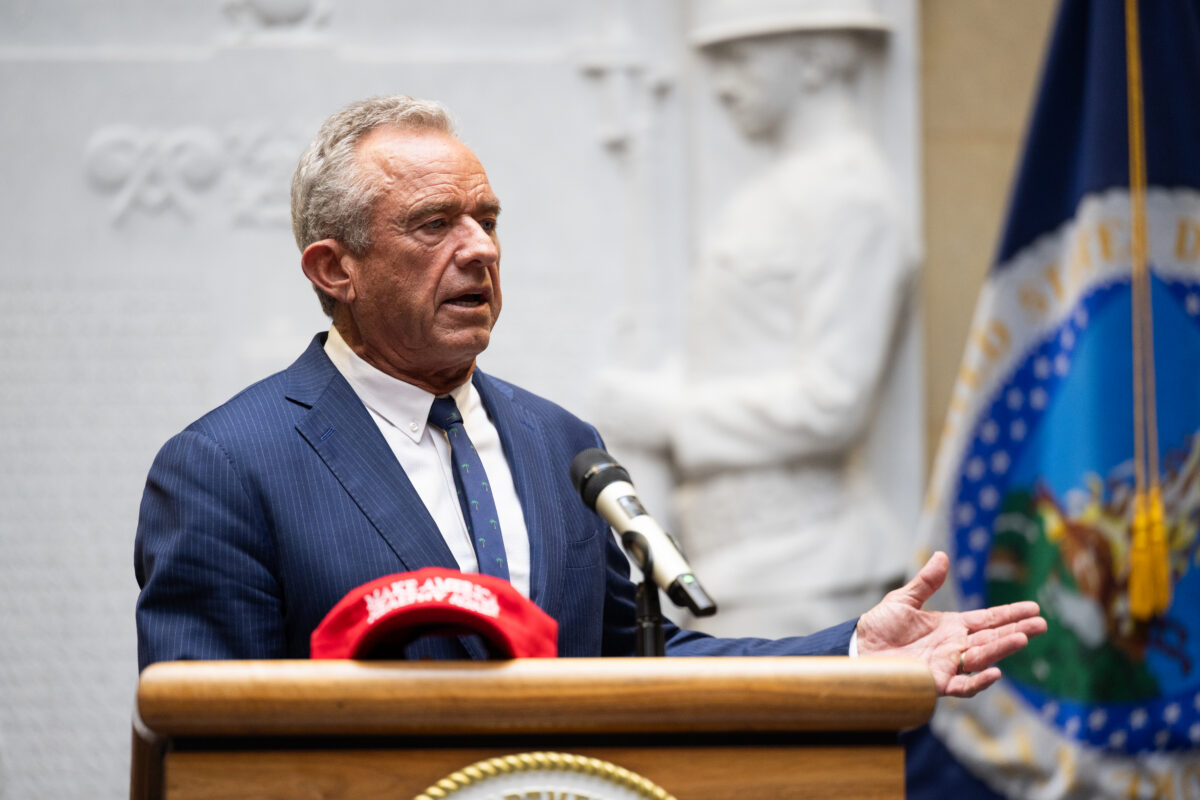
U.S. Secretary of Health and Human Services Robert F. Kennedy Jr delivered some remarks during the announcement of USDA’s commencement of the Dietary Guidelines for Americans Strategic Partnerships and an update on the impending Stocking Standards final rule, a rule that holds any retailer interested in accepting Supplemental Nutrition Assistance Program (SNAP) benefits accountable to a higher minimum standard of staple food stocking requirements. Additionally, Secretary Rollins will sign additional SNAP food restriction waivers, USDA Headquarters, Washington D.C., March 4, 2026. (USDA photo by Christophe Paul)
USDA Image at Wikimedia Commons: https://commons.wikimedia.org/wiki/File:Secretary_Brooke_Rollins_announces_the_USDA%E2%80%99s_commencement_of_the_Dietary_Guidelines_for_Americans_Strategic_Partnerships_alongside_HHS_Secretary_Kennedy_and_Dr_Ben_Carson_(20260304-USDA-OSEC-CDP-1583).jpg

RFK Criticized for Disrespecting Roadkill

These days, it seems that everything is about bioethics. Case in point: A zoologist named Sam Zeveloff has criticized RFK Jr. in Stat News for disrespecting a dead raccoon back in 2001 by allegedly dissecting its penis. This act, the emeritus professor claims, raises “critical questions” that must be addressed.

Oh my. One wonders about the possible moral stakes of this historical cadaveric mutilation.

Such phallus-collecting, we are told by Zeveloff, is fine so long as it’s done for a valid scientific or educational purpose. In fact, the author brags that he has collected raccoon phalluses himself, some of which are displayed at the Icelandic Phallological Museum. Okaaay.

But Kennedy’s cadaveric collecting wasn’t, from a bioethical standpoint, properly “scientific”:

If Kennedy collected a racoon specimen without a defined scientific or educational purpose, the ethical justification becomes less clear. Indeed, the public has no idea about why he would stop a car filled with his family members and cut out a raccoon’s penis from a carcass.

Read More ›
big-male-bear-walking-in-the-bog-at-sunset-stockpack-adobe-s-86585579-stockpack-adobestock
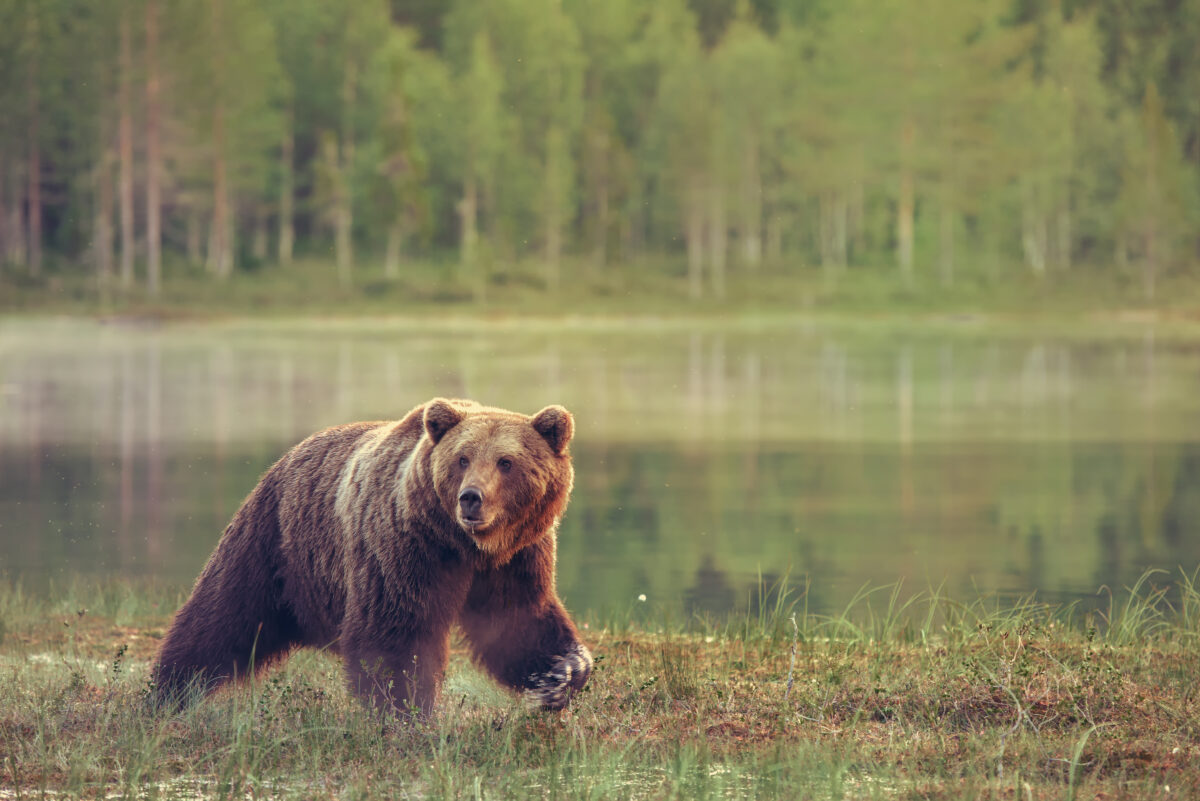
Big male bear walking in the bog at sunset
Image Credit: Juha Saastamoinen - Adobe Stock

Activists Want Fewer Animal — but More Human — Deaths by Euthanasia

After a bear was euthanized in California because she paw-swiped a human who owned a house under which the bruin and her cubs were living, there was a popular outcry. Now, a bill has been put in the hopper in the California State Senate promoting “coexistence” between people and wild animals. From S.B. 1135:

It is the policy of the state that the management of wildlife shall include an emphasis on the coexistence of humans and wildlife through department-led efforts to reduce, minimize, and mitigate conflicts. These efforts shall also seek to align with the state’s conservation, public safety, environmental planning, and climate adaptation goals and to be accomplished through coordination and cooperation between the department and wildlife coexistence partners.

Here are the details:

Upon appropriation by the Legislature, the department shall establish the Wildlife Coexistence Program to manage and promote wildlife coexistence by conducting all of the following activities:
(a) Managing, tracking, and responding to wildlife conflict calls, reports, and incident responses.
(b) Avoiding, minimizing, and mitigating conflicts between humans and wildlife by proactively and continuously implementing best practices that emphasize effective and ecologically appropriate nonlethal conflict resolution solutions developed using best available science and indigenous knowledge.
(c) Investigating, documenting, and analyzing reported human-wildlife incidents, including, but not limited to, depredation, perceived or actual human-wildlife conflicts, and wildlife health issues.
(d) Maintaining a statewide wildlife incident reporting tool.

Read More ›
farmer-in-tie-stall-stockpack-adobe-stock-244597911-stockpack-adobestock
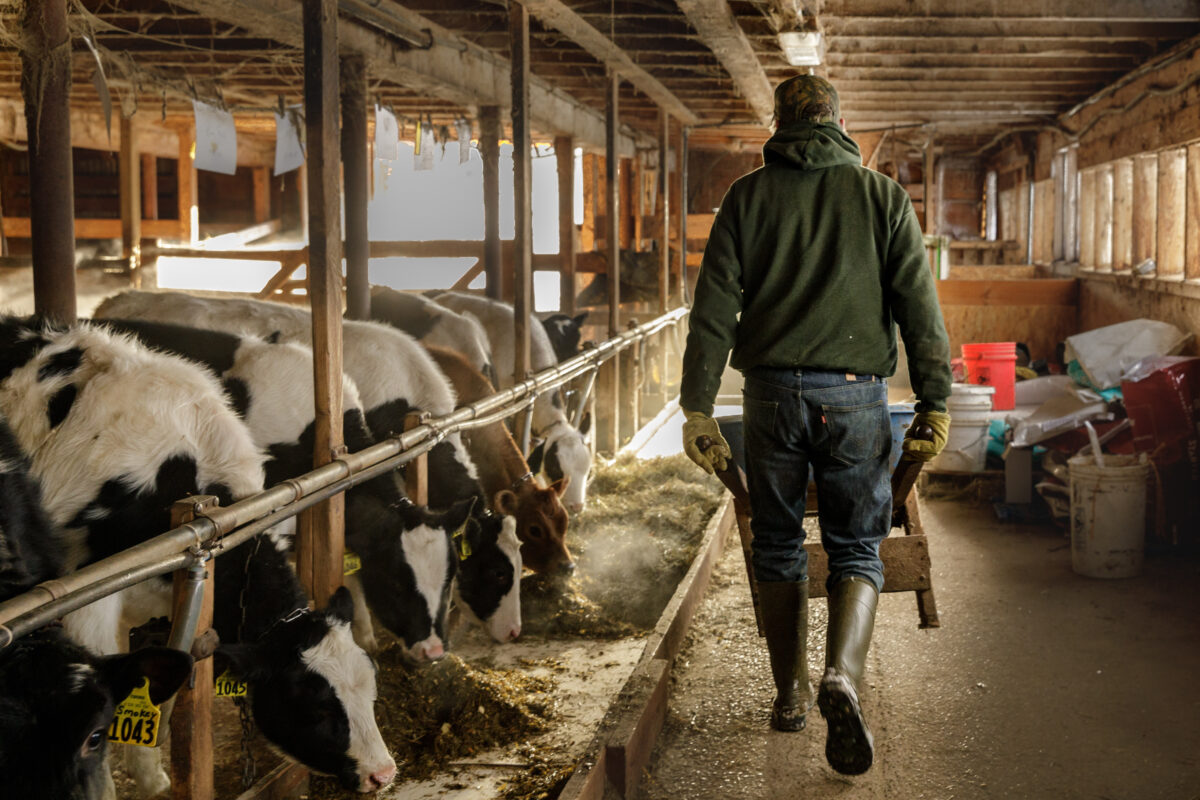
Farmer in Tie Stall
Image Credit: Annora - Adobe Stock

Proposed Oregon Initiative Would Outlaw Animal Agriculture and Hunting

Animal rights activists pretend to be about animal welfare, but in reality, they want to outlaw all instrumental uses of animals.

We can see this illustrated in Oregon, where animal rights activists are attempting to qualify Initiative Petition 28 for the November ballot. Proponents claim it is about ending cruelty. But the actual purpose is to effectively outlaw animal agriculture and hunting in the state.

First, if passed, the law would create a legal equality between animals and people. From the Yes on IP28 website:

We believe everyone should be equally protected under the law, and that all animals deserve equal consideration, regardless of whether or not we consider them our companions. All animals deserve a life free from cruelty.

Read More ›
PeterSinger2017-01WikimediaCommons
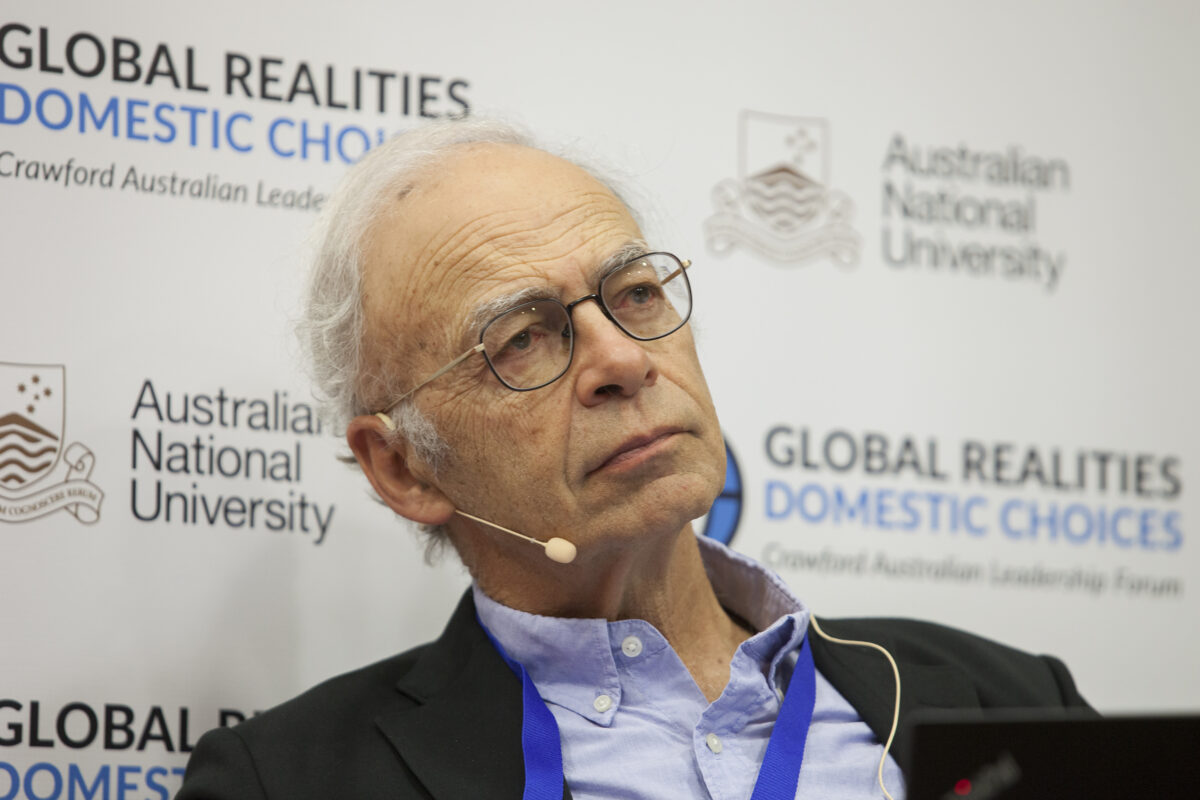
Image by the Crawford Forum at Wikimedia Commons: https://commons.wikimedia.org/wiki/File:Peter_Singer_2017-01.jpg

Peter Singer Decries AI “Speciesism”

Princeton “moral philosopher” Peter Singer has co-authored a piece decrying the “speciesism” of AI. What is speciesism, you ask? The misanthropic argument made by many bioethicists and animal rights activists that treating an animal — like an animal — is an evil akin to racism. In other words, herding cattle is as depraved as slavery. And now AIs are being programmed to promote speciesist immortality. Oh, no! From “AI’s Innate Bias Against Animals,” published in Nautilus. Even though significant efforts are being made to reduce the harmful biases in LLMs [large language models] against certain groups of humans, and other kinds of output that could be harmful to humans, there are, so far, no comparable efforts to reduce speciesist biases Read More ›

woman-veterinarian-holding-a-little-macaque-monkey-in-the-mo-361977048-stockpack-adobestock
Woman veterinarian holding a little macaque monkey in the monkey cage.
Image Credit: Achirawich - Adobe Stock

RFK Jr. Should Not Eliminate Research on Primates

I rise to second the opinion of neurologist and university professor Cory Miller, published here on NRO, opposing Secretary of Health and Human Services Robert F. Kennedy Jr.’s apparent intention to end all research on primates at the Centers for Disease Control and Prevention. Miller writes:

Reports that the Centers for Disease Control and Prevention (CDC) plans to end research involving monkeys — a move framed as modernization — strikes at the heart of America’s biomedical capacity at the very moment global competitors are expanding theirs.

This is the latest step in Health and Human Services Secretary Robert F. Kennedy Jr.’s plan to phase out animal research in the U.S., an ideologically driven effort that sidesteps scientific evidence by exploiting our understandable desire to reduce animal suffering. And make no mistake, ending research with monkeys is not the end goal. It is only the beginning.

Yes, we should reduce animal testing as much as is practicable. But we should use alternatives, as Miller puts it, as a “complement” to animal studies, not a total replacement. Sure, using animals to test cosmetics and the like can probably be eliminated safely. And by all means, use cell lines, AI computer programs, and other alternatives as much as possible to reduce animal use, consistent with protecting human safety.

Read More ›
a-mountain-lion-is-striding-confidently-across-a-rocky-hills-783138368-stockpack-adobestock
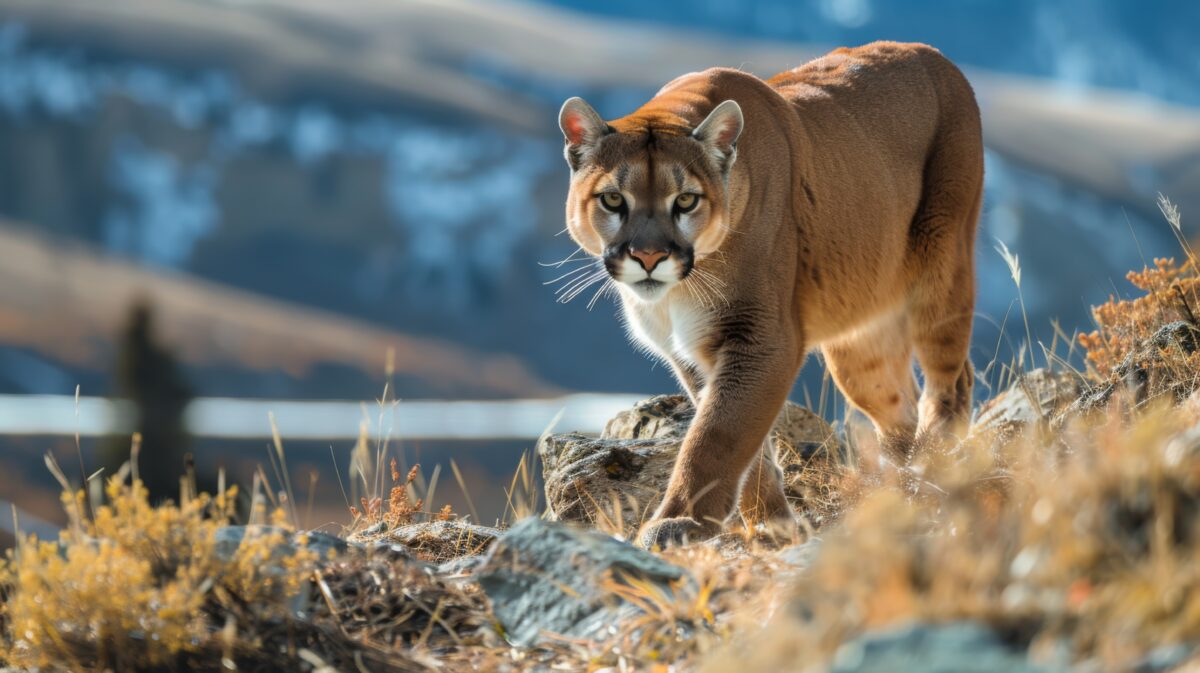
A mountain lion is striding confidently across a rocky hillside in its natural habitat. The majestic feline moves gracefully, showcasing its powerful and agile movements on the uneven terrain.
Image Credit: vadosloginov - Adobe Stock

Now, It’s Wild Animals’ Rights

The push to grant rights to, well, everything continues apace. Now, a long piece in the progressive publication Current Affairs argues that “Wild Animals Deserve Rights, Too.” Animal-rights activist Michael Burrows writes: Wild animals deserve our attention and respect, for the same reasons that we should care about any creature: they are sentient, with recognizable social behaviors and emotions, and just like humans their lives have intrinsic value. But wild animals are also unique, simply by virtue of existing outside of the sphere of human stewardship. They live their lives mostly out of our sight, and we have no hands-on role in their breeding or care. Still, our current system of land management treats wild animals as simply another variable in our nation’s supply-and-demand graph, to be kept Read More ›

two-macaques-in-close-proximity-to-each-other-against-a-back-881724141-stockpack-adobe_stock
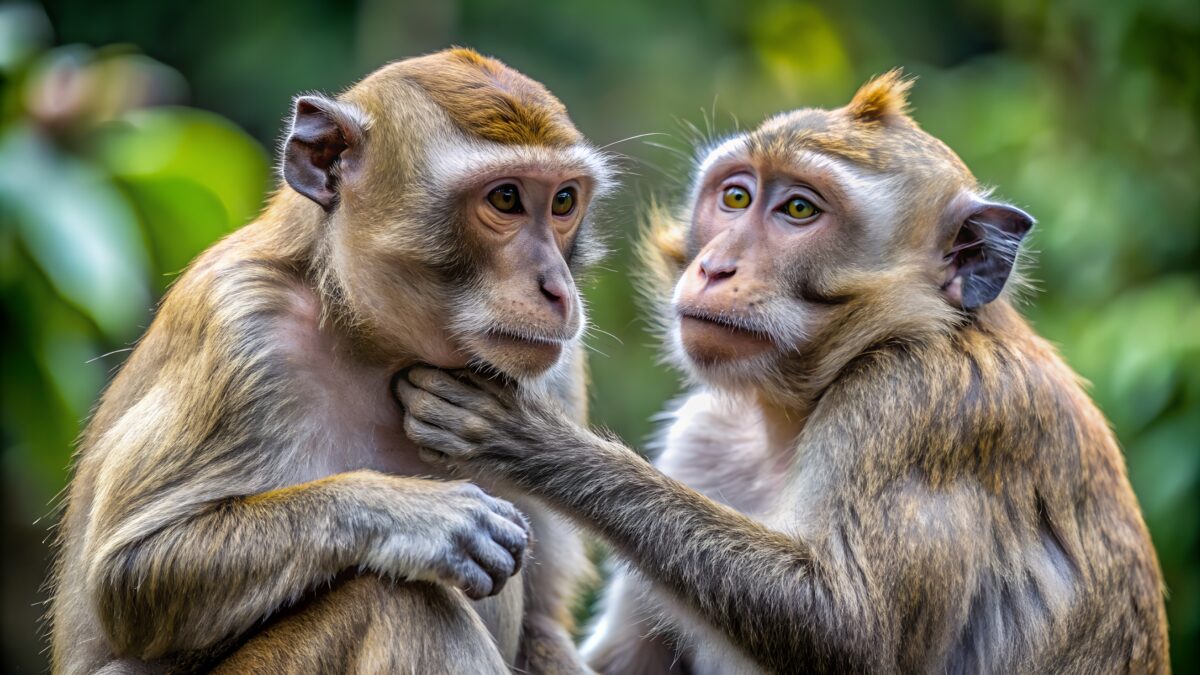
two macaques in close proximity to each other against a background of green vegetation, AI, wild nature monkeys
Image Credit: makentosha - Adobe Stock

PETA Sues NIH for Violating Its “First Amendment Right” to Talk to Monkeys

Animal rights activists keep attempting to grant “rights” to animals through novel — and I would say, frivolous — lawsuits. PETA sued SeaWorld, claiming that the orcas were “slaves.” The Nonhuman Rights Project has sued three times to have chimpanzees and elephants declared “persons” entitled to writs of habeas corpus. Those suits failed. But animal rights activists never give up. Now, PETA is suing the NIH and the National Institute of Mental Health, claiming that the agency’s refusal to allow them to receive closed-circuit monitoring of research monkeys and communicate directly with them violates the animal rights fanatics’ First and Fifth Amendment rights. The irrationality begins in the complaint’s first and second paragraphs when the complaint alleges PETA has a Read More ›

elephant-in-zoo-stockpack-adobe-stock-275497968-stockpack-adobe_stock
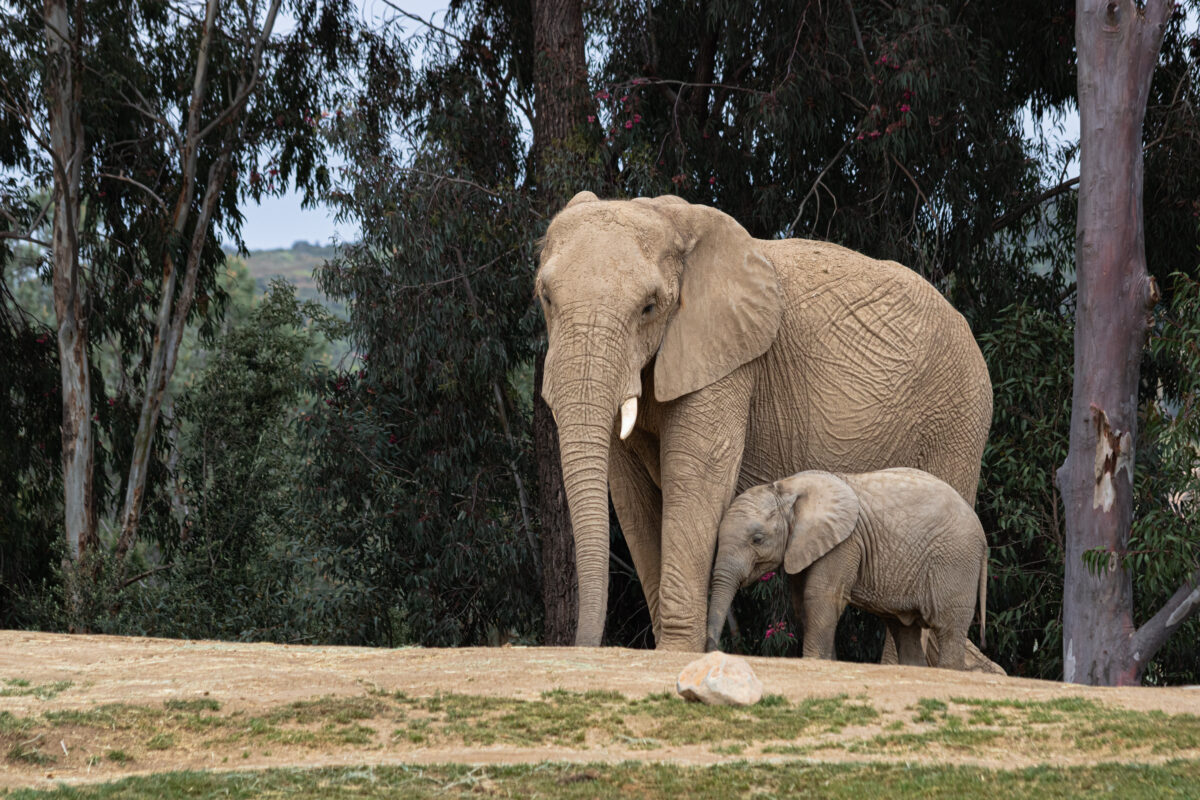
elephant in zoo
Image Credit: Mary - Adobe Stock

Colorado Supremes Unanimously Nix Elephant Personhood

Animal rights activists are determined to persuade a court to declare an animal a “person” to enable them to engage in unremitting lawfare against all animal uses — an advocacy project known as “animal standing.” Having failed twice in New York to have chimps and then an elephant named Happy declared persons, the NonHuman Rights Project moved its effort to Colorado seeking writs of habeas corpus to be issued on behalf of zoo elephants. The activists had some reason for hope. Two judges in New York’s highest court swallowed the baloney in a 5-2 ruling against elephant personhood. Thankfully, the Colorado supreme court exhibited greater wisdom in unanimously turning the case away. Why? Because as any ten-year-old could tell the Read More ›

cute-piglet-portrait-in-veterinarian-hands-close-up-eyes-of-156430412-stockpack-adobe_stock
Cute piglet portrait in veterinarian hands, Close up eyes of swine in the farm. Hugging a pig.
Image Credit: krumanop - Adobe Stock

Pig-to-Human Kidney Transplant Offers Hope — and an Ethical Solution

With so many people on the organ transplant waiting list, the ethics of organ donation have begun to buckle. These proposals are not only unethical, in my opinion; in some cases they also treat donors as objects rather than subjects. Each and any of them could undermine the public’s already thin trust in the organ transplant system, which would be a catastrophe. But an ethical way forward has also been researched assiduously, and it is beginning to bear fruit: xenotransplantation, that is, the use of pigs’ organs, genetically altered to be more compatible with humans. Early experiments offer cause for optimism. Recently, a woman who was dying of kidney failure received a pig kidney, and she seems to be doing well. Read More ›

indoors-chicken-farm-chicken-feeding-stockpack-adobe-stock-234942101-stockpack-adobe_stock
Indoors chicken farm, chicken feeding
Image Credit: davit85 - Adobe Stock

NYT Column: Factory Farms Are Good for People and the Planet

We hear a lot from environmentalists, animal rights activists, and just plain caring people about the supposed evils of industrial farming. Neo-Luddites throw tantrums about GMOs, for example. And many commenters — including in these pages — lament the conditions in which meat animals and egg-laying hens are raised. Those are certainly legitimate concerns worthy of investigation and debate. But we also need to focus on the tremendous good humans receive from having bountiful, affordable, and nutritious food supplies, which would seem to require at least some industrial methods to achieve. Indeed, until now, these and other benefits humans receive from industrial agriculture and so-called factory farms seem to be one of those hot potato topics that we are not allowed to Read More ›