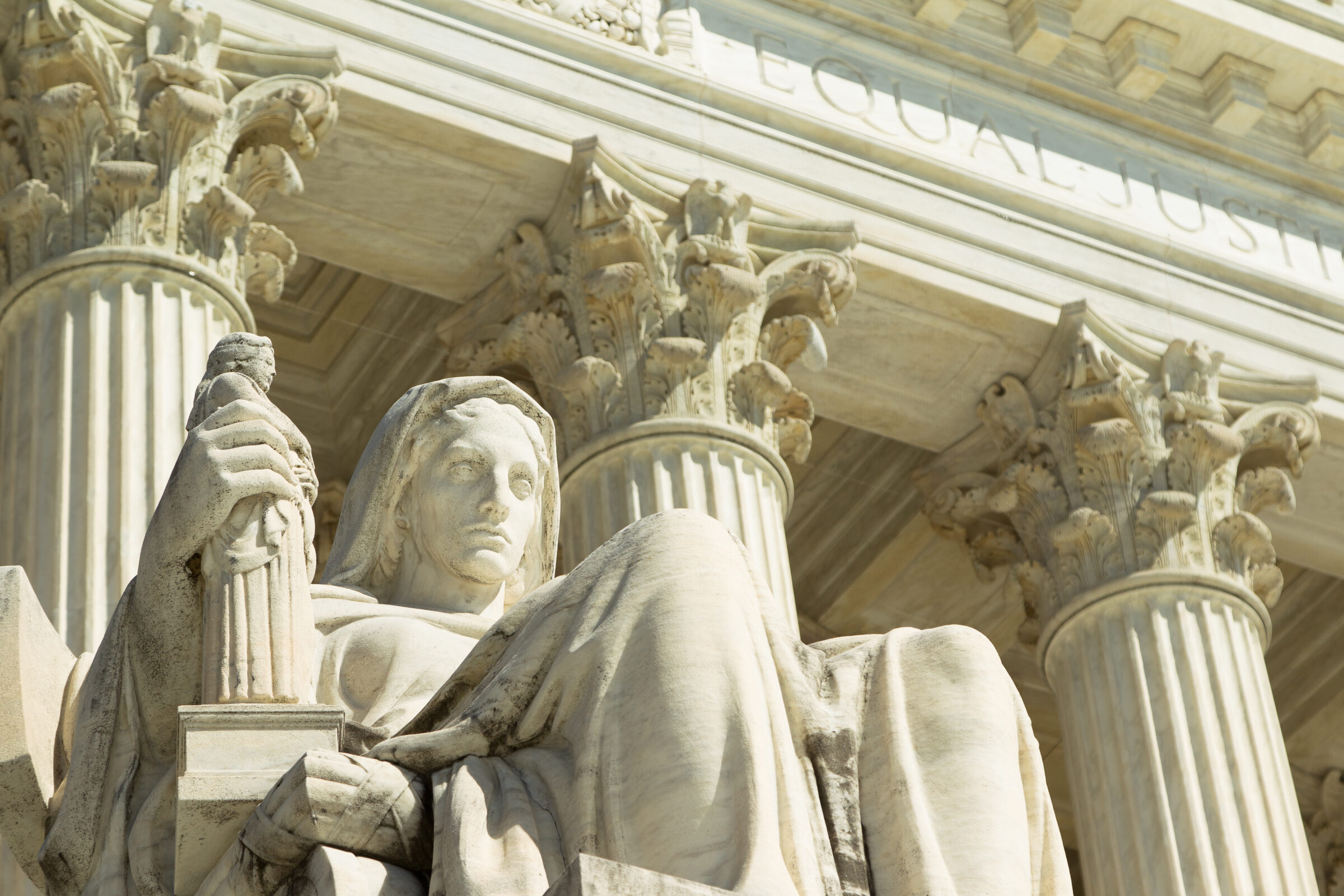
Supreme Court Prevents California Schools from Hiding Kids’ Gender Confusion from Parents
Originally published at National Review- Categories
- Transgenderism
California reprehensibly enacted a law that prohibits school administrators and teachers from informing parents about their child’s gender confusion. It is almost beyond belief that the Ninth Circuit Court of Appeals quashed a trial court injunction against the law — but then again, it is the Ninth Circuit.
Thankfully, in a per curiam emergency-docket ruling, the U.S. Supreme Court just restored the injunction against enforcement. From Mirabelli v. Bonta (citations omitted, my emphasis):
California’s policies will likely not survive the strict scrutiny that Mahmoud demands. The State argues that its policies advance a compelling interest in student safety and privacy. But those policies cut out the primary protectors of children’s best interests: their parents. California’s policies also appear to fail the narrow-tailoring requirement. The State’s interest in safety could be served by a policy that allows religious exemptions while precluding gender-identity disclosure to parents who would engage in abuse. For these reasons, the parents who object to the California policies on free exercise grounds are likely to succeed on the merits.
The same is true for the subclass of parents who object to those policies on due process grounds. Under long-established precedent, parents — not the State — have primary authority with respect to “the upbringing and education of children.” The right protected by these precedents includes the right not to be shut out of participation in decisions regarding their children’s mental health. Gender dysphoria is a condition that has an important bearing on a child’s mental health, but when a child exhibits symptoms of gender dysphoria at school, California’s policies conceal that information from parents and facilitate a degree of gender transitioning during school hours. These policies likely violate parents’ rights to direct the upbringing and education of their children.
No kidding!
The three usual liberal suspects dissented. Justice Elena Kagan decried the Court’s reliance on the emergency docket to render interim orders, and she worried that people will think mistakenly that this is a final decision on the merits of the case. Methinks she would be better off decrying the aggressive ideological posture of too many district and circuit courts that has made a once rare remedy increasingly necessary.