Humanize From Discovery Institute's Center on Human Exceptionalism
Category

Homelessness

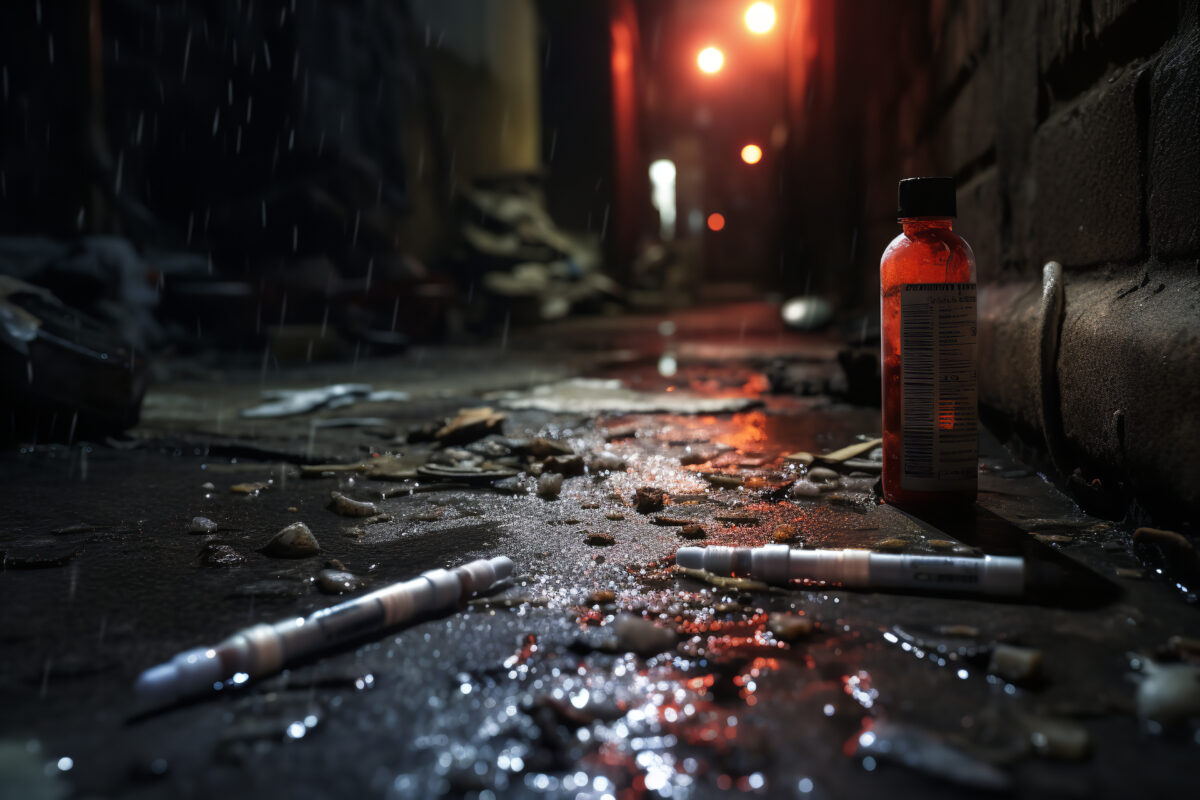
a-lone-syringe-discarded-on-the-ground-of-a-dimly-lit-alleyw-646315957-stockpack-adobestock
A lone syringe discarded on the ground of a dimly lit alleyway, painting a haunting picture of the relentless grip of drug addiction
Image Credit: YouAreBeautiful - Adobe Stock

“Harm Reduction” Harms

The New England Journal of Medicine is again promoting failed progressive public policies. This time, it is “harm reduction.” From “The Erosion of Harm Reduction,” by Joshua Barocas, M.D. (citations omitted):

Unlike the targets of many other recent attacks on public health and medicine in the United States, harm reduction is not a formal bureaucracy, but a philosophy and an approach to health care. As defined by the Drug Policy Alliance, it is “a set of ideas and interventions that seek to reduce the harms associated with both drug use and punitive drug policies.” Harm reduction is embodied in syringe-services programs (SSPs), naloxone distribution, overdose education, overdose-prevention centers [i.e. “safe injection sites”], and decriminalization of drugs.

Barocas decries the Trump administration’s executive order that limits such policies:

Perhaps most concerning, an executive order focused on homelessness and civil commitment issued on July 24, 2025, prohibits federal SAMHSA discretionary grants from being used to fund harm-reduction activities, proposes a freeze on federal funding to organizations that provide “drug paraphernalia,” and threatens legal action against harm-reduction organizations. The executive order states that these approaches “only facilitate illegal drug use and its attendant harm.”

My wife, the Las Vegas Review-Journal columnist Debra J. Saunders, covered San Francisco’s harm reduction drug policies extensively back when she worked for the San Francisco Chronicle. It started with “needle exchange,” which she initially supported as a means of preventing the spread of HIV. The idea was for addicts to “exchange” dirty needles — a prime source of HIV transmission — for clean ones. The rule was: no used needle, no free clean replacement. Unfortunately, the program led to greater drug abuse. “Harm reduction” zealots eventually dropped the exchange requirement, which resulted in dangerous used needles littering San Francisco’s sidewalks and even children’s playgrounds.

Read More ›
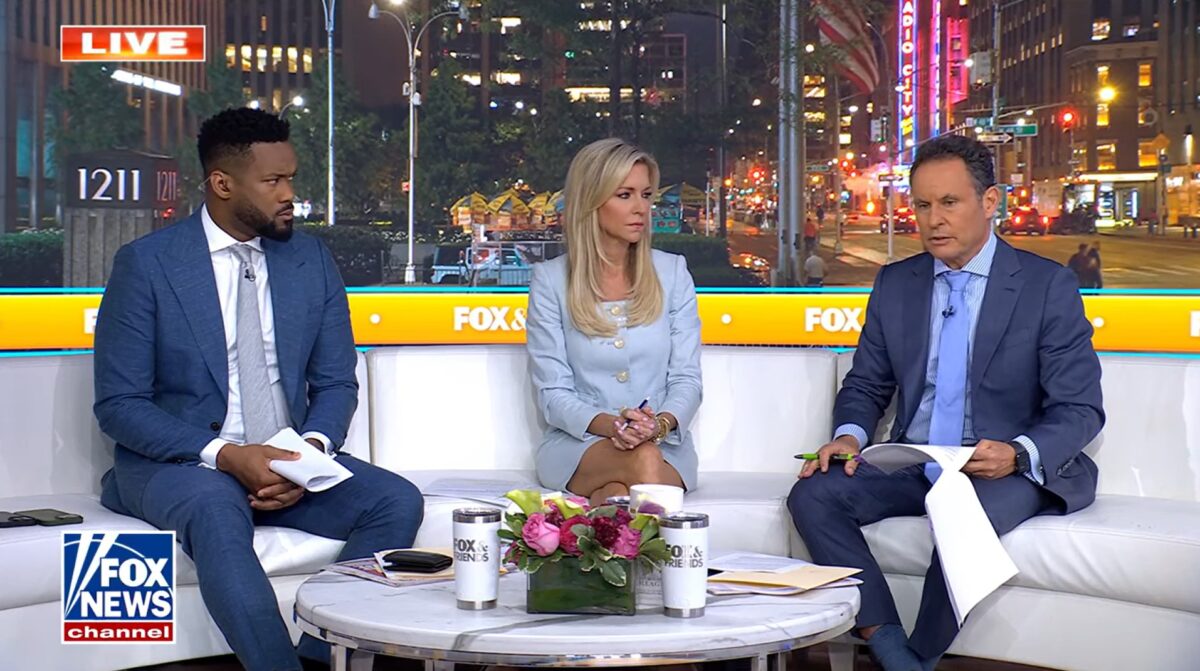
Fox-and-Friends-Brian-Kilmeade-Sept-15
Image from Fox News YouTube video: https://www.youtube.com/watch?v=OoCGyxR9i3c&list=PLlTLHnxSVuIycbO7uttsCrmOUpDNFuTbf&index=2

Awful: Kilmeade Says “Just Kill” Mentally Ill Homeless Who Refuse Help

Homelessness is a crisis in our major cities. But we have to always remember that people who are homeless have equal intrinsic dignity as all other human beings. That is why I was appalled that — in a recent discussion about the atrocious murder of Iryna Zarutska by a mentally ill homeless man — Fox News personality Brian Kilmeade said that if the mentally ill homeless don’t accept hospitalization, they should be, well, killed. Yes. He actually said that. When Kilmeade’s co-host Lawrence Jones said that the homeless should either accept help “or be locked up in jail,” Kilmeade replied, “Or involuntary lethal injection, or something. You just kill ’em.” The hosts then went on to talk North Carolina politics Read More ›

city-homeless-tents-poor-people-stockpack-adobe-stock-823901143-stockpack-adobe_stock
City homeless tents, poor people
Image Credit: Supremetones - Adobe Stock

One Doctor’s Prescription to Solve Homelessness Would Continue the Catastrophe

A doctor named Katherine A. Koh — who treats homeless people with Harvard Medical School’s Boston Health Care for the Homeless Program — cares deeply about her patients. But her policy prescriptions to help them become the formerly homeless will just keep the ongoing catastrophe rolling along. In the New England Journal of Medicine, she tells of the tragic death of one of her patients and the indifference of society to the tragedy. From “Invisible Deaths: Mortality Among People Experiencing Homelessness“: Jack died on a street corner. A larger-than-life figure, he stood more than 6 ft, 4 in. tall, exuded charismatic energy, and embraced the role of “king of the streets.” Then, at 49, he died without warning on a Read More ›