Humanize From Discovery Institute's Center on Human Exceptionalism
Category

Technocracy

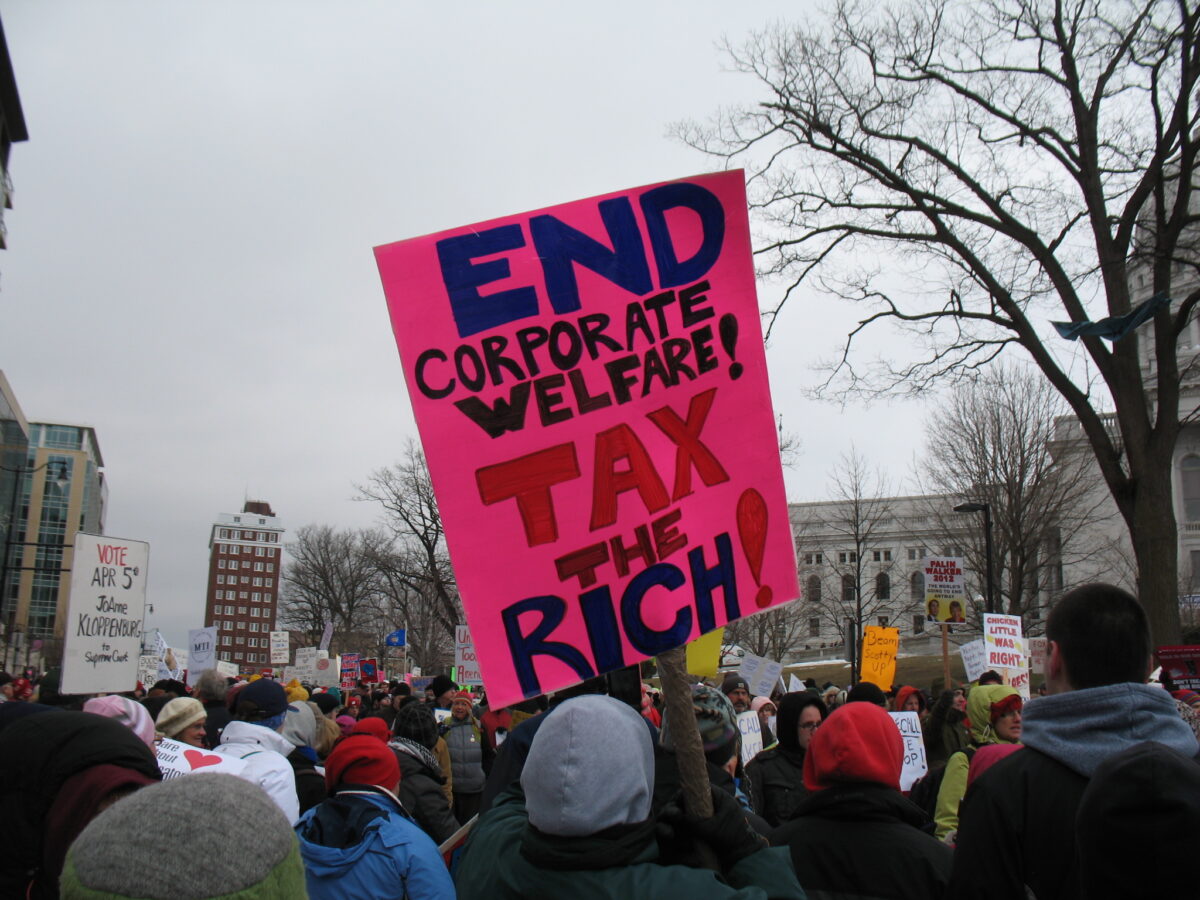
ProtestTaxtheRich5521705234
Image from Wikimedia Commons: https://commons.wikimedia.org/wiki/File:Protest_Tax_the_Rich!_(5521705234).jpg

Should Scientists Decide Policies About Wealth Inequality?

The other week, I discussed a Nature editorial advocating that scientists be required to “register” with the state. That policy, if enacted, would be a step toward establishing a technocratic rule-by-experts system by controlling what would be acceptable scientific discourse and who would be authorized to communicate about such matters. A new proposal, also in Nature, would push the West toward technocracy. The science journal just published a piece urging the U.N. to establish a panel of scientists — the International Panel on Inequality (IPI) — to determine policies involving income and wealth inequality. From “Why We Need an International Panel on Inequality:” The consequences [of wealth disparities] are well established. A growing body of research links higher income inequality Read More ›

senior-male-researcher-carrying-out-scientific-research-in-a-52554426-stockpack-adobestock
Senior male researcher carrying out scientific research in a lab
Image Credit: lightpoet - Adobe Stock

Nature: Scientists Should Have to Register with Governments to Prevent “Misinformation”

Nature — the most prestigious science journal in the world — has editorialized in favor of requiring scientists to register with governments as a condition of participation in the sector. Here’s the context. South Africa has legislation pending that would require scientists to register with a government body or face significant legal consequences. Nature applauds the authoritarian idea. From the editorial (my emphasis): What do engineers, environmental-health officers and health-care workers have in common? These occupations can, in some instances, be practised only by people who have registered with a relevant professional body. This typically requires candidates to pass qualifying exams and adhere to a code of practice that includes sanctions for violations. The process is intended to create the highest standards of quality, Read More ›

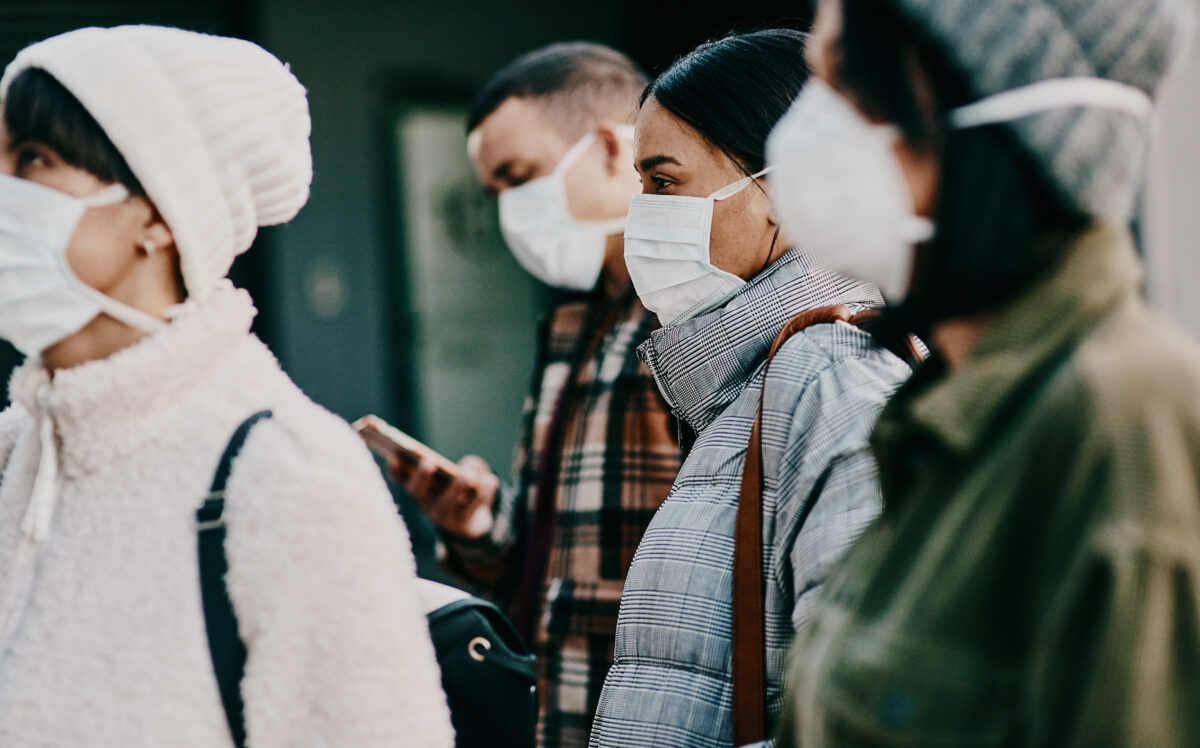
traveling-people-wearing-face-mask-in-a-covid-pandemic-in-cr-522157960-stockpack-adobestock
Traveling people wearing face mask in a covid pandemic in crowd, public or airport border with passport or travel restrictions. Foreigners wearing protection to prevent the spread of diseases abroad
Image Credit: Nicholas Felix/peopleimages.com - Adobe Stock

Bioethicists: Prepare People for Public Health Coercion

One would have thought that bioethicists and technocrats would learn from the COVID debacle that coerced public health policies can easily become exploding cigars when misapplied, and indeed, ultimately harm the very community cohesion these autocrats claim to champion. But no. A new article in the prestigious Journal of Medical Ethics urges that we prepare now for more mandates to prevent epidemics due to AMRs (for antimicrobial resistance, such as bacteria evolving, rendering antibiotics less effective) and to fight climate change.

The authors identify various means of persuading the public to comply with favored public health policies. The first is simple suasion, or “normative compliance.”

From “Making the Public Protect Public Health: The Ethics of Promoting Collective Action in Emergencies” (citations omitted):

Normative compliance and moral involvement/commitment: This strategy is to convince people of the importance of assuming responsibility and acting accordingly. When congruent, the commitment of lower-level actors to comply is high. Participants with moral involvement/commitment are loyal to the aims and internalise the goals of the governing authority.

Read More ›