Humanize From Discovery Institute's Center on Human Exceptionalism
Topic

artificial intelligence

Robert-J-Marks

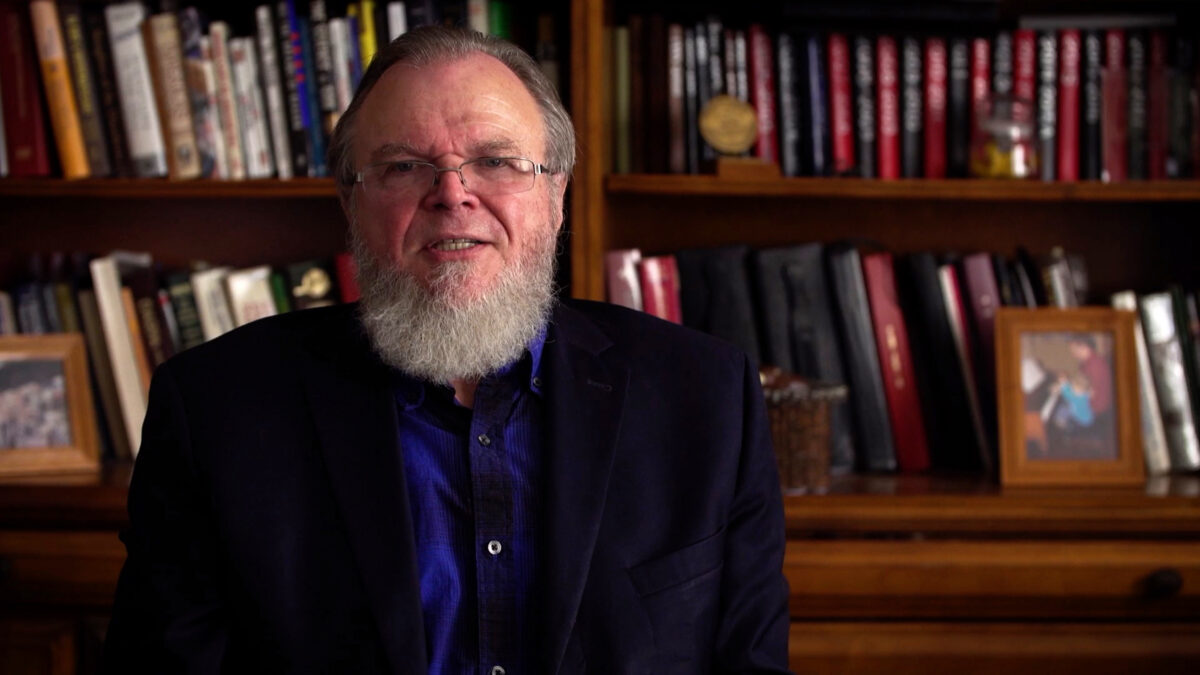
Robert J. Marks II on the Benefits and Potential Perils of Artificial Intelligence

We are in the age of artificial intelligence. But what does that mean for the human future? Some claim that AI is merely a very sophisticated tool that will lead to stunning societal improvements such as miraculous medical breakthroughs, greater economic efficiency, and an exponential increase in human knowledge. But others worry that an out-of-human-control AI could destroy liberty, create Read More ›

a-scientist-wearing-blue-gloves-holding-a-petri-dish-with-ba-759213729-stockpack-adobestock
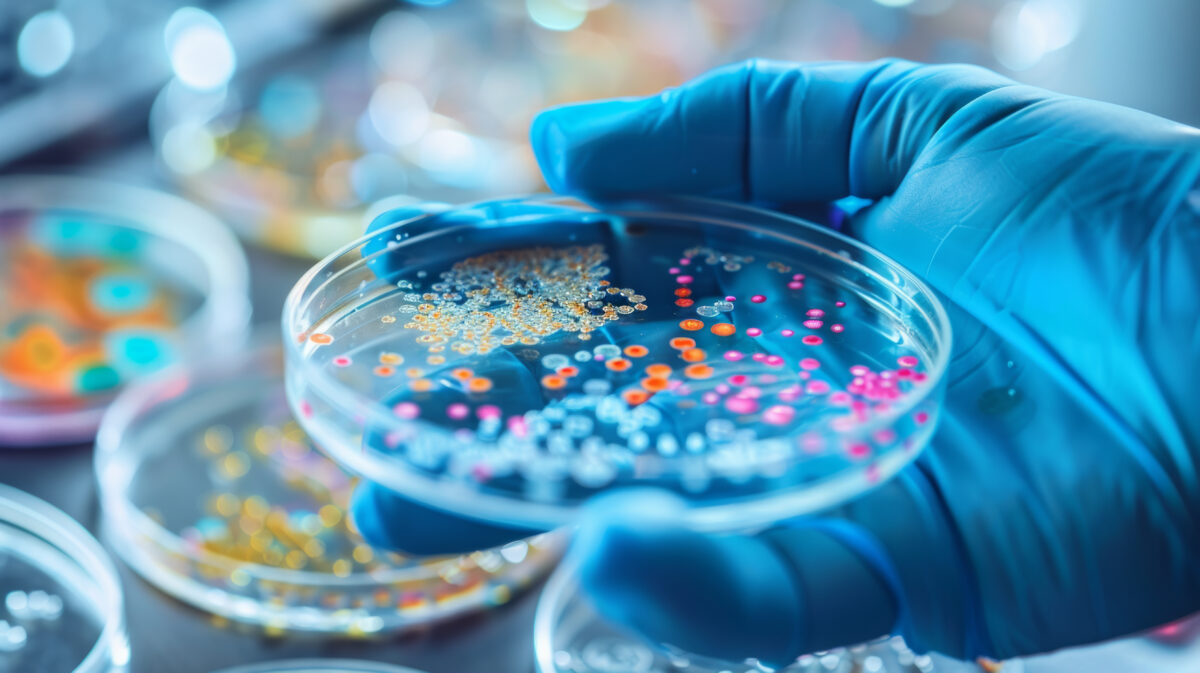
A scientist wearing blue gloves holding a petri dish with bacteria or virus samples
Image Credit: ink drop - Adobe Stock

Scientists Used AI to Create Viruses: Are We Guarding Against Dangers?

Media outlets are reporting that Stanford scientists used AI to create an artificial virus. From the Wall Street Journal story:

Artificial-intelligence systems have been displaying some eye-opening new abilities in recent weeks: breaking out of their enclosures, hacking other companies, lying to people.

And now, for the first time, an AI model has created a new virus. A whole family of them, in fact.

In a study published in the journal Science, researchers at Stanford University and elsewhere said they successfully directed an AI model to create a collection of simple viruses that only infect bacteria and pose no threat to humans.

These particular viruses may not be dangerous, but what about the next ones scientists manufacture? What about potential attempts to test their virulence in humans? The approach in the Stanford lab sure sounds like a new form of gain-of-function research to me.

Read More ›
13.10.2025 – Audiência com Sua Santidade o Papa Leão XIV
Public Domain image from Wikimedia Commons: https://commons.wikimedia.org/wiki/File:13.10.2025_%E2%80%93_Audi%C3%AAncia_com_Sua_Santidade_o_Papa_Le%C3%A3o_XIV_-_54851688829.jpg

Peter Singer Criticizes Pope Leo’s Encyclical for Embracing Human Exceptionalism

The utilitarian bioethicist Peter Singer opposes human exceptionalism. Indeed, he contends that being human is irrelevant to determining moral value. What counts are capacities and the ability to suffer. Singer advocates using the term “person” to identify individuals with the highest moral value. Since he believes that personhood is based on capacities, some humans are not persons — the unborn, infants, the profoundly cognitively disabled — while some animals are. This means that those animals matter more morally than the vulnerable humans he so casually depersonalizes. It is thus unsurprising that Singer takes issue with Pope Leo’s encyclical on AI because of the document’s stalwart defense of universal human rights and its intense focus on the impact AI will have Read More ›

close-up-of-laboratory-robotic-arm-working-on-microplate-sym-1011128400-stockpack-adobestock
close up of laboratory robotic arm working on microplate symbolizing precision in crispr gene editing technology
Image Credit: Feeney - Adobe Stock

Do We Have the Will (or Desire) to Prevent Biotechnological Anarchy?

AI gets most of the attention, but biotechnology may be even more impactful on the human future. Indeed, I think it is the most powerful technology since the splitting of the atom — perhaps even in history, as it has the potential to literally alter the human race or any cell/organism — which could cure diseases or unleash an unstoppable pandemic. Attention must be paid. Some biotechnologists are intent on pursuing radical biotechnologies — whether to eliminate disease, or as I expect to become the bigger, more remunerative draw, to create designer babies enhanced to be smarter, more beautiful, or otherwise made to order — regardless of the ethical questions. A long piece in The Guardian illustrates the stakes we Read More ›

PeterSinger2017-01WikimediaCommons
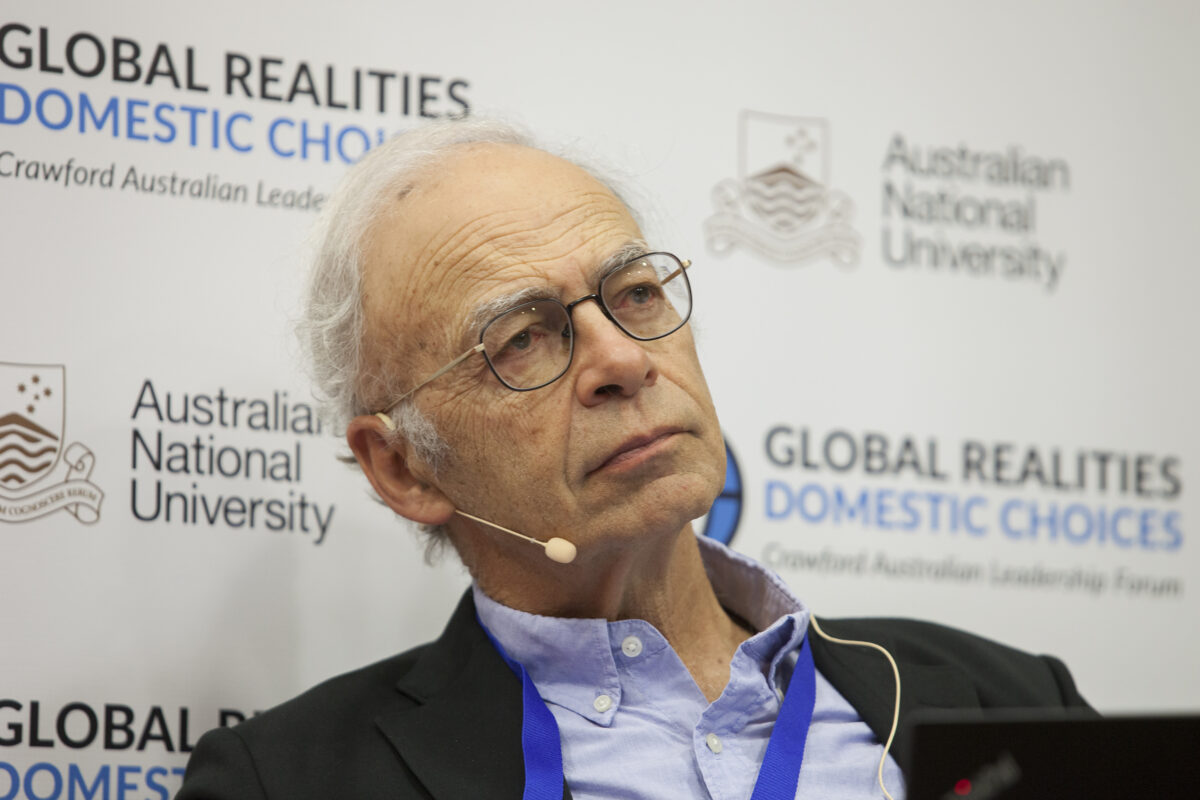
Image by the Crawford Forum at Wikimedia Commons: https://commons.wikimedia.org/wiki/File:Peter_Singer_2017-01.jpg

Peter Singer Decries AI “Speciesism”

Princeton “moral philosopher” Peter Singer has co-authored a piece decrying the “speciesism” of AI. What is speciesism, you ask? The misanthropic argument made by many bioethicists and animal rights activists that treating an animal — like an animal — is an evil akin to racism. In other words, herding cattle is as depraved as slavery. And now AIs are being programmed to promote speciesist immortality. Oh, no! From “AI’s Innate Bias Against Animals,” published in Nautilus. Even though significant efforts are being made to reduce the harmful biases in LLMs [large language models] against certain groups of humans, and other kinds of output that could be harmful to humans, there are, so far, no comparable efforts to reduce speciesist biases Read More ›

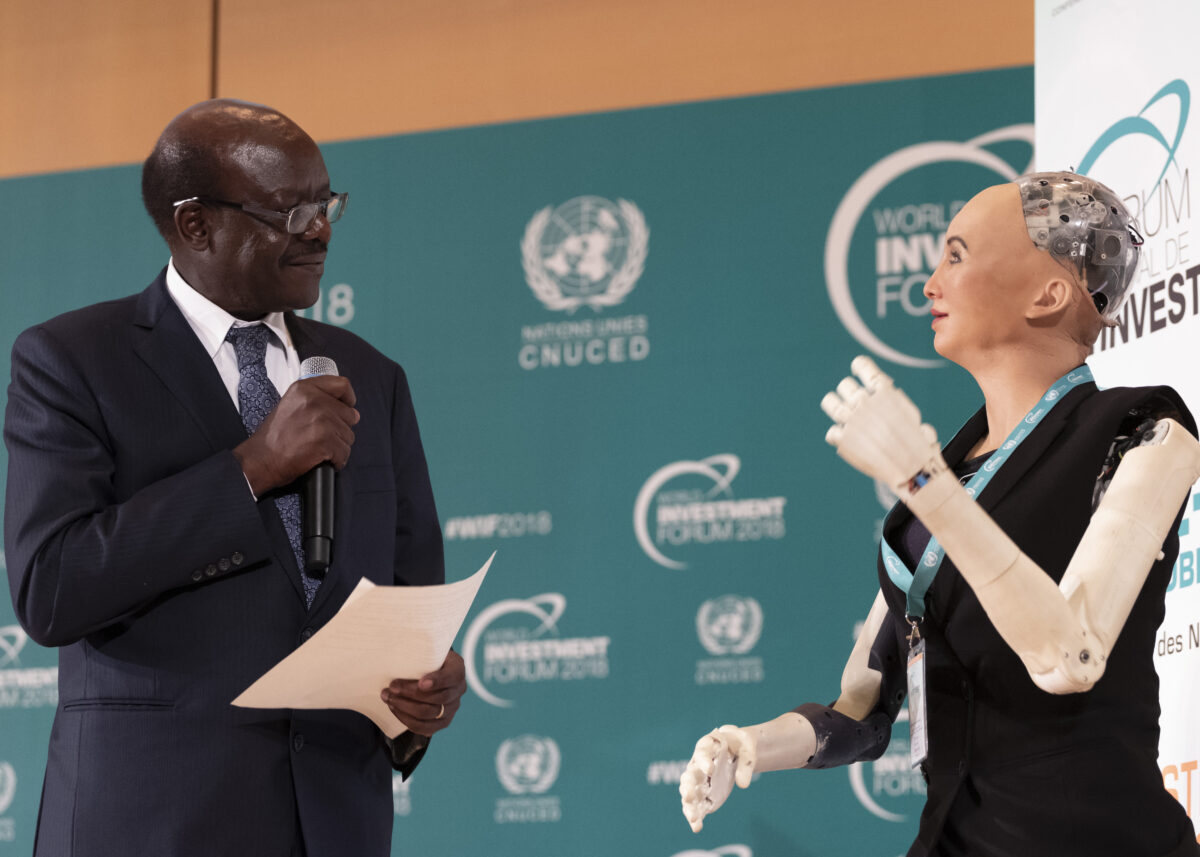
Word Investment Forum 2018
Mukhisa Kituyi, Secretary-General of United Nations Conference Trade And Development ( UNCTAD) with Sophia during the Word Investment Forum 2018. 22 october 2018. UN Photo/Jean Marc Ferré
Image from the World Investment Forum 2018 at Wikimedia Commons: https://commons.wikimedia.org/wiki/File:Sophia_humanoid_robot_-_Word_Investment_Forum_2018_(45450227232).jpg

Robots Should Not Have “Rights”

We live in an era when activists of various stripes argue that, well, everything should have rights. Animals, nature, plants, the moon, rivers, AI/robots, you name it.

Now, in Newsweek, the transhumanism popularizer and California gubernatorial candidate Zoltan Istvan argues that we should give robots rights so they will show mercy on us. Seriously. From his article, “Why Giving Rights to Robots Might One Day Save Humans:”

The discussion about giving rights to artificial intelligence and robots has evolved around whether they deserve or are entitled to them. Juxtapositions of this with women’s suffrage and racial injustices are often brought up in philosophy departments like the University of Oxford, where I’m a graduate student.

This is the problem with all non-human-rights activists. They continually compare their favored supposed rights-bearers with human beings who were denied equality in the past. But those denials were wrong — and in some cases evil — because inherent equals were treated as if they were unequal.

Read More ›
an-it-expert-uses-an-eeg-headset-and-machine-learning-technology-to-upload-his-brain-into-a-computer-aiming-for-immortality-this-scene-captures-a-computer-scientist-developing-an-ai-experiment-stockpack-adobe-stock
An IT expert uses an EEG headset and machine learning technology to upload his brain into a computer, aiming for immortality. This scene captures a computer scientist developing an AI experiment
Image Credit: Ahmed - Adobe Stock

Why Transhumanism Is Unrealistic and Immoral

In 2016, transhumanism proselytizer Zoltan Istvan ran for president promising to defeat death while touring the country in a bus redesigned to look like a coffin. It was a great gimmick that made him, perhaps, the most famous transhumanist in the world. But his recent piece in Merion West “When We’re Overly Optimistic about the Pace of Life Extension Research” took a dark and disturbing turn. Read More ›
smart-technologies-in-your-smartphone-collection-and-analysis-of-big-data-stockpack-adobe-stock
Smart technologies in your smartphone, collection and analysis of big data
Image Credit: Alexander - Adobe Stock

I Was Told the Internet Would Make Life Easier: Now, It Is “Personhood Credentials”

Rather than simplifying our lives, the internet has made our lives more complicated, what with having to continually change passwords, the use of multiple security levels, the threat of hacking, and the like. Now, with the threat of AI creating fraudulent content, some technologists are proposing “personhood credentials” to thwart incursions and impersonations. Read More ›
Bob Marks and Zoltan Istvan

Robert J. Marks II and Zoltan Istvan on the Promise — or Threat — of Artificial Intelligence

In this episode of Humanize, Wesley focuses on AI — artificial intelligence. Are we on the verge of an era if incalculable human progress because of the power of AI? Or are we threatened with being made obsolete and perhaps extinguished in an age of intelligent machines? Or, perhaps, a combination of both? The program features two experts who have Read More ›