Humanize From Discovery Institute's Center on Human Exceptionalism
Topic

CRISPR

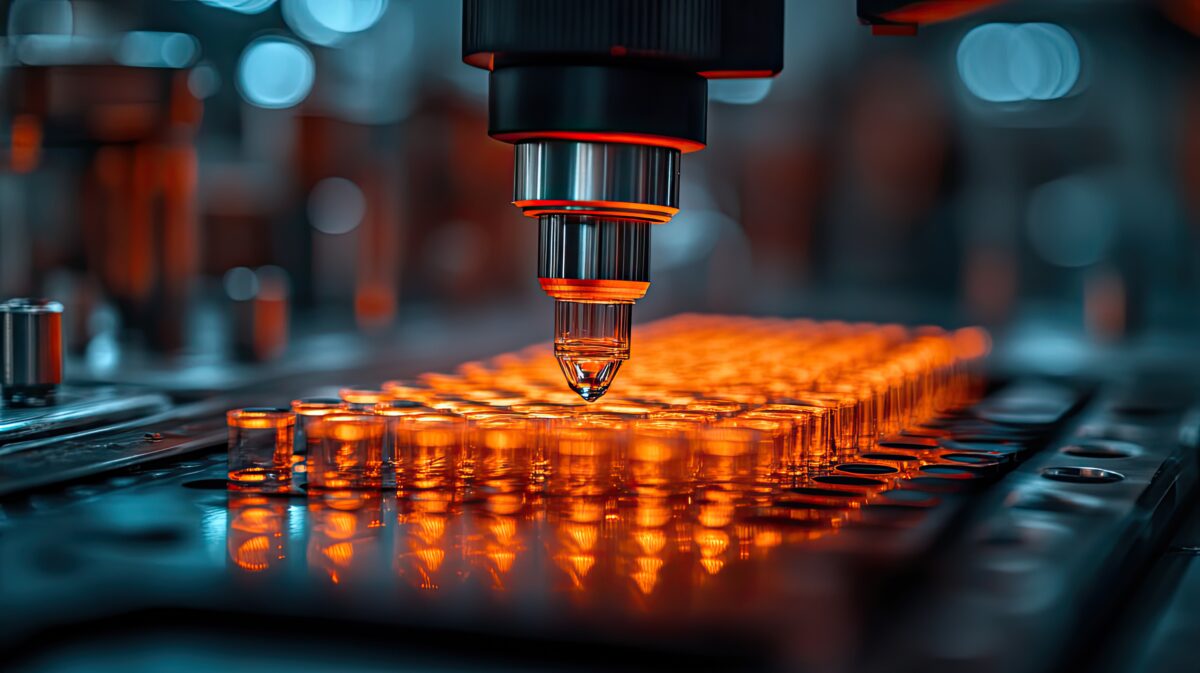
close-up-of-laboratory-robotic-arm-working-on-microplate-sym-1011128400-stockpack-adobestock
close up of laboratory robotic arm working on microplate symbolizing precision in crispr gene editing technology
Image Credit: Feeney - Adobe Stock

Do We Have the Will (or Desire) to Prevent Biotechnological Anarchy?

AI gets most of the attention, but biotechnology may be even more impactful on the human future. Indeed, I think it is the most powerful technology since the splitting of the atom — perhaps even in history, as it has the potential to literally alter the human race or any cell/organism — which could cure diseases or unleash an unstoppable pandemic. Attention must be paid. Some biotechnologists are intent on pursuing radical biotechnologies — whether to eliminate disease, or as I expect to become the bigger, more remunerative draw, to create designer babies enhanced to be smarter, more beautiful, or otherwise made to order — regardless of the ethical questions. A long piece in The Guardian illustrates the stakes we Read More ›
Ep. 32

Lab-Made Humans? Three-Parent Embryos, Genetic Engineering, and the Future of Humanity with Dr. David Prentice

What happens when science gains the power not only to heal human life, but to redesign it? Scientists are now creating lab-made embryos from stem cells, experimenting with three-parent embryos, pursuing gene editing technologies like CRISPR, and exploring ways to grow human life outside the womb. What once sounded like science fiction is rapidly becoming reality. In this episode of Bioethics Babe, internationally recognized stem cell researcher and bioethics expert Dr. David Prentice of the Science Alliance for Life and Technology (SALT) exposes the ethical dangers behind lab-made embryos, designer babies, germline gene editing, fetal tissue research, embryo selection, IVF commodification, and modern eugenics. We discuss: At what point does medicine stop treating disease and start redefining what kinds of Read More ›

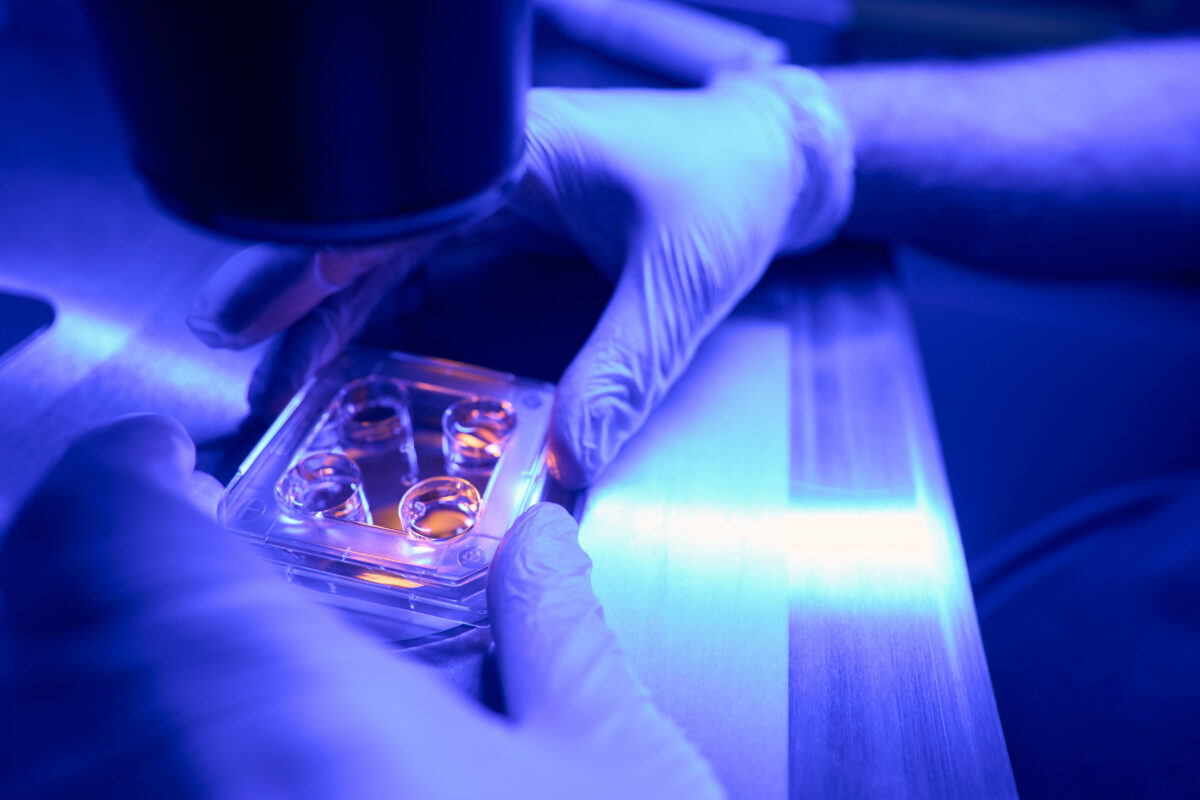
close-up-of-reproductive-specialist-studying-embryos-under-m-611063585-stockpack-adobestock
Close up of reproductive specialist studying embryos under microscope
Image Credit: Viacheslav Yakobchuk - Adobe Stock

Radical Reproduction Turns Children Into Products

Should men have the right to have their cells manipulated so they can become biological mothers? Should women past child-bearing age have the same right if their own eggs are no longer viable? More to the point, should we all have the right to do whatever it takes to have a baby if that is our desire and also, to obtain the baby we want?

These questions have ceased to be grist for science fiction authors. Researchers recently announced that they have genetically manipulated human skin cells to become eggs, including those of men (the idea being to eventually enable both members of a same sex couple to have a genetic connection with their child). Then, after more genetic tinkering, the eggs were fertilized into embryos via IVF. Finally, the biotechnologists monitored embryonic development until the experiment was stopped, and the embryos destroyed.

No pregnancy has been established with this technique. But that is cold comfort. The researchers plan to keep experimenting and I have little doubt that when they overcome remaining technical difficulties, someone will create a pregnancy using “skin cell” embryos. After all, what beyond self-restraint—currently in little supply in this field—is to stop them?

Read More ›
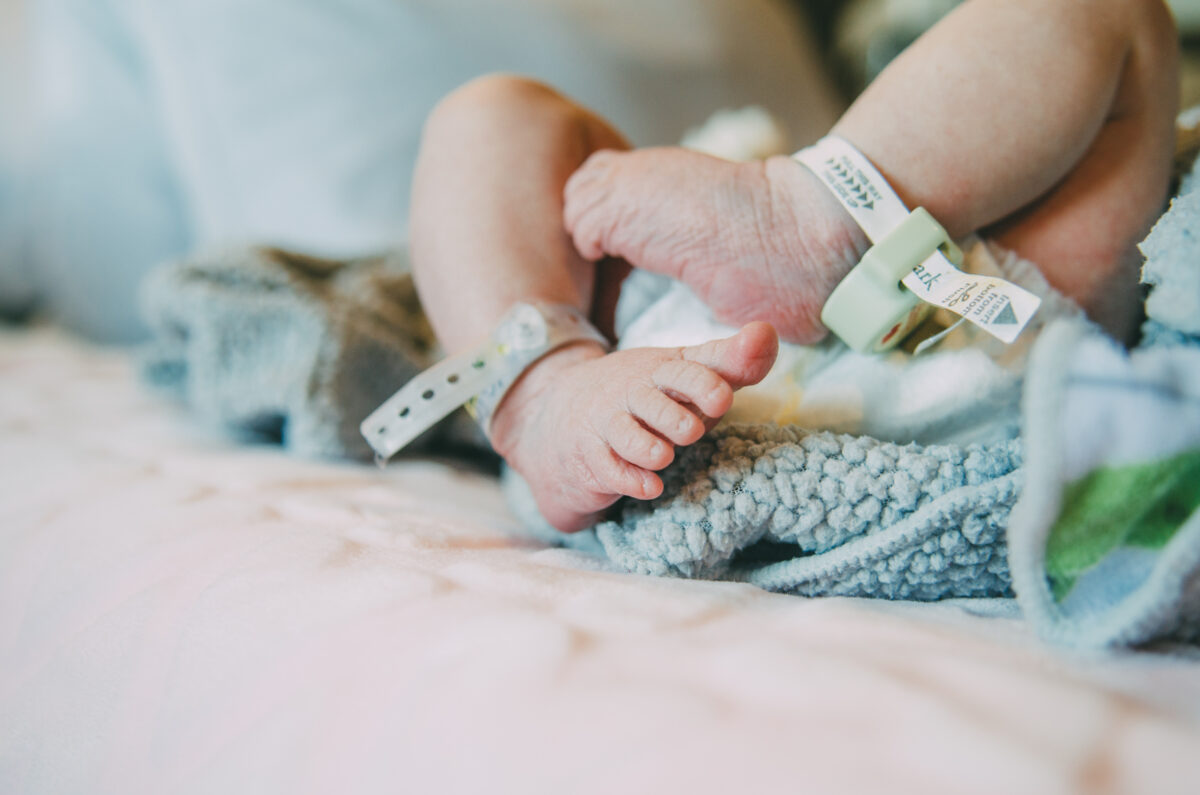
newborn-baby-in-hospital-stockpack-adobe-stock-172829774-stockpack-adobestock
Newborn Baby in Hospital
Image Credit: Cari - Adobe Stock

CRISPR Saves a Baby’s Life

Biotechnology is like Star Wars’, “Force”: It has a dark side and a light side. CRISPR, the gene-editing technique that can alter any cell and life-form on the planet, exemplifies the point. It can be deployed to alter a bird flu virus to kill multitudes. It can be used for eugenics manipulations. And, in theory, it can save the lives of people afflicted with genetic diseases. That seems to have just happened. Baby KJ’s life was apparently saved or extended — at least for now — using the technique to treat a genetically caused liver condition. From the Stat story: For the first time, scientists say they have reached into the genome of a severely ill child and rewritten the Read More ›