Humanize From Discovery Institute's Center on Human Exceptionalism
Topic

medical aid in dying

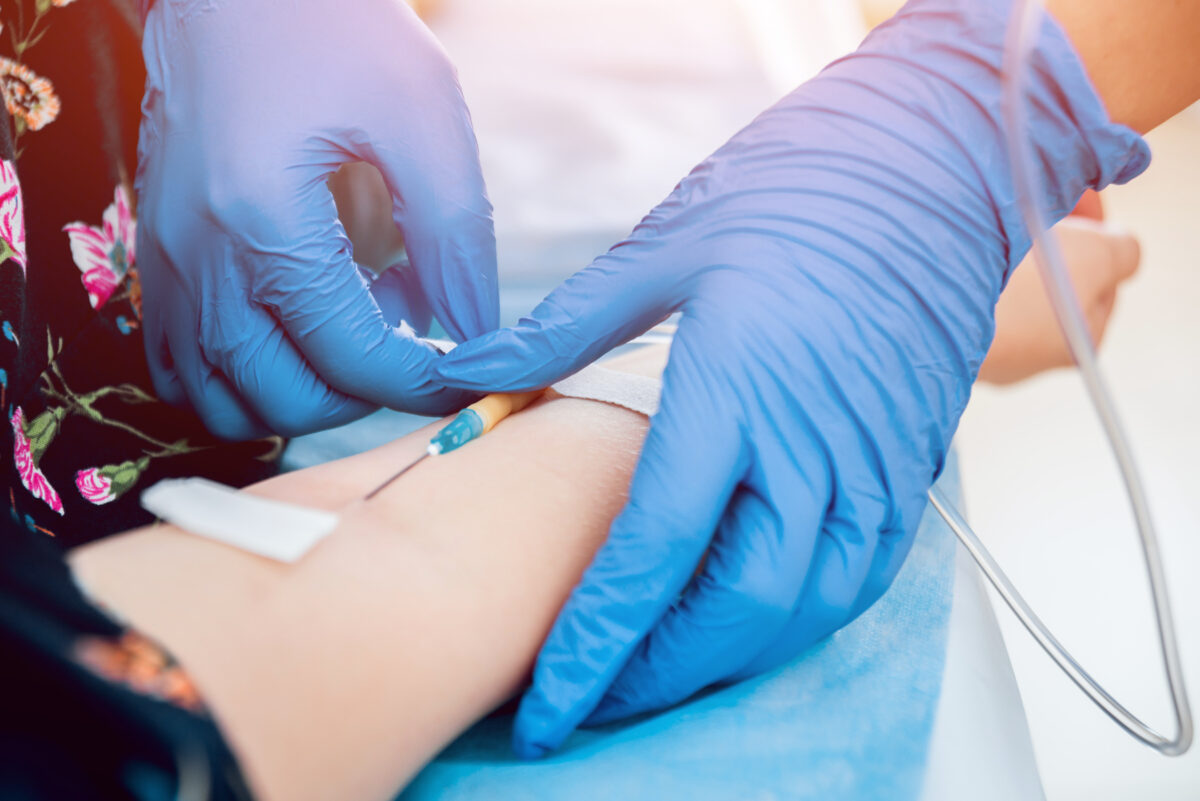
medical-drip-tubing-and-patient-at-the-hospital-stockpack-ad-226187097-stockpack-adobestock
Medical drip tubing and patient at the hospital.
Image Credit: romaset - Adobe Stock

Canadian Bioethicist: Euthanasia Should Not Be Considered “Special”

Canada has leaped into euthanasia’s moral abyss with a smile on its face. Since 2015, killable categories have expanded dramatically, from those whose death is “reasonably foreseeable” — a category that was already so broad you could drive a hearse through it — to the chronically ill, people with disabilities, the frail elderly, and, starting next year, the mentally ill.

More than 16,000 Canadians were killed by doctors and nurse practitioners last year. It’s the fifth-most-common cause of death in the country.

Many commentators point to these and other facts about Canada’s euthanasia regime to argue against legalization. Defenders of euthanasia know this and have mounted counternarratives trying to convince us that so many killings of such a varied numbers of people is an excellent outcome of a humane policy. The latest example is in the Canadian Journal of Bioethics, in an article by bioethicist and philosophy professor Wayne Sumner, in which he argues that euthanasia should be considered a ho-hum question, nothing to worry about.

Sumner shrugs at the dramatic increase in the numbers killed since legalization because euthanasia is just another medical treatment and should not be considered to be extraordinary. Indeed, to Sumner, doctors’ killing patients is really no different than performing hip replacements. Ditto abortion. And since an increase in abortion rates (to him) is a good, and no one objects to more hip replacements, what’s the problem with the statistical increase in deaths by euthanasia? From “What’s So Special About Medically Assisted Dying?“:

If we regard an increasing number of joint replacements or abortions as success, with supply having risen to meet demand, why should we think that an increasing number of MAiD provisions is a failure, or somehow a problem? If more awareness, more providers, and more support are good things for these other services, why are they a bad thing for MAiD? Why should we think differently about MAiD than we do about other medical procedures? What’s so special about MAiD?

Let me count the ways.

Read More ›
empty-room-with-bed-and-comfortable-medical-equipped-in-a-ho-309266419-stockpack-adobestock
Empty room with bed and comfortable medical equipped in a hospital.
Image Credit: Jose maria ceballos - Adobe Stock

Illinois Swallows the Hemlock of Assisted Suicide

With a scribbled signature by Illinois Gov. J.B. Pritzker, the Land of Lincoln became the 12th state (plus the District of Columbia) to legalize physician-assisted suicide.

The new law, which takes effect in September, euphemistically describes assisted suicide as “medical aid in dying”—a pretense that prescribed poisonous overdoses are somehow equivalent to administering healing treatments. Give me a break. The point of “care,” is well, care. The point of assisted suicide is immediate death.

So, why do I insist on using “assisted suicide” instead of “medical aid in dying?” Because this issue is too important and too much is at stake to fall for propagandistic word engineering.

The term assisted suicide is both accurate and descriptive. “Suicide” means to take one’s own life. “Assisted” means to have help in performing an action, in this case, intentionally becoming dead. In other words, it describes what was done, not why.

In contrast, “medical aid in dying”—or MAID as it is usually called—is euphemistic and intended to deflect from the reality of what advocates seek to normalize. Ditto calling poisonous overdoses prescribed for suicide, “medication,” which these laws always do. How can we have a meaningful debate when one side hides behind terms that are designed to lull people into a dangerous complacency?

Read More ›
Illinois State Capital Building
Illinois State Capitol Building
Image Credit: pabrady63 - Adobe Stock

Assisted Suicide Legalized in Illinois

Of course Governor Pritzker signed the assisted suicide bill. Was there ever any doubt? Assisted suicide has become part of the progressive policy agenda. The new Illinois law (SB 1950) contains many of the usual provisions and supposed safeguards. Once the law goes into effect next September, these putative protections will quickly be redefined as “obstacles” to a good death and the inevitable process of legal loosening will commence. This is the point at which I usually urge doctors to refuse participation in the killing of their patients. The law does permit doctors to refuse to actually prescribe poison (euphemistically called “medication”). But it still appears to require that all doctors assess whether a patient who has asked for assisted Read More ›

empty-room-with-bed-and-comfortable-medical-equipped-in-a-ho-309266419-stockpack-adobestock
Empty room with bed and comfortable medical equipped in a hospital.
Image Credit: Ceballos - Adobe Stock

Canadian Dementia Patient Euthanized at Family’s Request

Euthanasia/assisted suicide “protective guidelines” don’t really protect against abuse. They mostly serve as window dressings to make people comfortable with killing the sick. And soon after legalization, the vaunted protections are redefined by activists and the media as “barriers” to death, which become the pretext for loosening the already slack guidelines. The speed at which that happens varies, but the pattern rarely fails. Here’s an example. In Canada, a person is supposed to explicitly request and consent to being killed by a lethal jab. But a dementia patient was recently euthanized at the request of her family. From the National Post story: A frail women [sic] in her late 80s with dementia received MAID after a family member brought forward Read More ›

woman-with-lily-flowers-and-coffin-at-funeral-stockpack-adobe-stock
woman with lily flowers and coffin at funeral
Image Credit: Syda Productions - Adobe Stock

“Nonmedical” Assisted Suicide This Way Comes

Certain strains of the euthanasia-advocacy movement believe doctors don't need to be involved when someone wants to die. For example, the fanatics of Final Exit Network have taught people how to kill themselves, with a couple convicted of assisting via helium. Read More ›
nurse-making-the-bed-at-a-hospital-stockpack-adobe-stock
Nurse making the bed at a hospital
Image Credit: Rawpixel.com - Adobe Stock

The Pressure Is on to Expand Assisted Suicide in New Jersey

When assisted suicide activists sell legalization, it is always described as an itsy-bitsy change in medical ethics with “strict guidelines” to protect against abuse. But it turns out the guidelines are not really “strict,” nor are they intended to remain permanently in effect. Read More ›
doctor-supporting-elderly-woman-in-clinic-closeup-stockpack-adobe-stock
Doctor supporting elderly woman in clinic, closeup
Image Credit: Pixel-Shot - Adobe Stock

Boosters of Assisted Suicide Want It to Be Much More Common

Doctors killed more than 15,000 people in Canada in 2023. I think that's a terrible toll that should concern even supporters of euthanasia. But in California, some assisted-suicide boosters are upset that a similar number of Californians didn't end their own lives by assisted suicide. In other words, they see Canada's gob-smacking statistics as aspirational. Read More ›
medical-students-walking-through-corridor-stockpack-adobe-stock
Medical students walking through corridor
Image Credit: WavebreakMediaMicro - Adobe Stock

Association of American Medical Colleges Journal Pushes for Residencies in Assisted Suicide

In California, the Stutter Family Residency Medical Program even offers residencies to train doctors in assisted suicide. Chillingly, most of the doctors who participated in a small study on assisted suicide and who prescribe poison as part of their job like it. Read More ›
a-professional-physician-in-a-white-medical-uniform-talks-to-discuss-results-or-symptoms-and-gives-a-recommendation-to-a-male-patient-and-signs-a-medical-paper-at-an-appointment-visit-in-the-clinic-stockpack-adobe-stock
A professional physician in a white medical uniform talks to discuss results or symptoms and gives a recommendation to a male patient and signs a medical paper at an appointment visit in the clinic.
Image Credit: Pcess609 - Adobe Stock

Survey: MDs Support Expanding Assisted Suicide Beyond the Terminally Ill

The myth that legal assisted suicide is about terminal illness is becoming harder to swallow. Evidence can be found in a recent survey of doctors, published in the Journal of Cutaneous Oncology, which asked doctors this question: "In addition to adults with terminal illnesses, [which] other groups of patients who should be MAID eligible?" Read More ›
hospice-nurse-helps-old-lady-with-mobile-phone-call-stockpack-adobe-stock
Hospice Nurse Helps Old Lady With Mobile Phone Call
Image Credit: Diego Cervo - Adobe Stock

Hospice and Palliative Nurses Association Plans to Surrender to Assisted-Suicide Agenda

When Dame Cecily Saunders created the modern hospice movement, she adamantly rejected assisted suicide as an acceptable hospice activity. Saunders would be spinning in her grave if she read the proposed policy around assisted suicide that has been published by the Hospice and Palliative Nurses Association (HPNA). Read More ›