The “dead donor rule” is the cement that binds the public’s trust in organ transplant medicine. Under the DDR (other than in living donations, such as of one kidney) organs cannot be procured unless donors, in the words of the Munchkins, are not merely dead but really most sincerely dead.
There are two means of declaring death. Let’s call the first “heart death,” that is an irreversible cessation of all cardio/pulmonary function. The other is popularly known as “brain death,” (death declared by neurological criteria) in which function in the whole brain and each of its constituent parts have irreversibly ceased. The key word in both means of declaring death is “irreversible.”
But something appears to have gone badly off the rails in the field of procuring organs after heart death. A long New York Times expose found cases of patients who were clearly alive when organ procurement began. At the same time, a very disturbing report by the Department of Health and Human Services contained similar findings.
First, the NYT. From “A Push for More Organ Transplants Is Putting Donors at Risk”:
Last spring at a small Alabama hospital, a team of transplant surgeons prepared to cut into Misty Hawkins.…Days earlier, she had been a vibrant 42-year-old with a playful sense of humor and a love for the Thunder Beach Motorcycle Rally. But after Ms. Hawkins choked while eating and fell into a coma, her mother decided to take her off life support and donate her organs. She was removed from a ventilator and, after 103 minutes, declared dead.
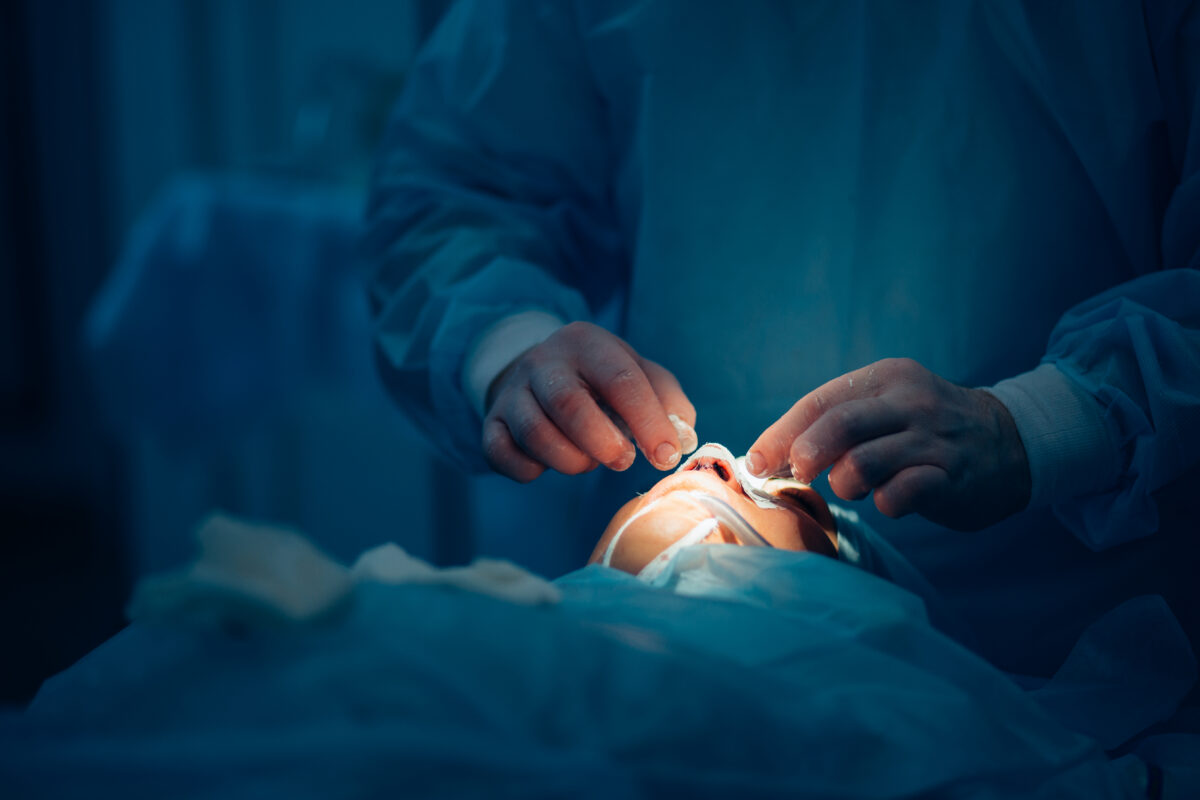
A surgeon made an incision in her chest and sawed through her breastbone. That’s when the doctors discovered her heart was beating. She appeared to be breathing. They were slicing into Ms. Hawkins while she was alive.
The horror! Why are such awful things happening?
Read More ›