Another Radical Reproductive Technology
Originally published at National Review- Categories
- Bioethics
- Genetic Manipulation
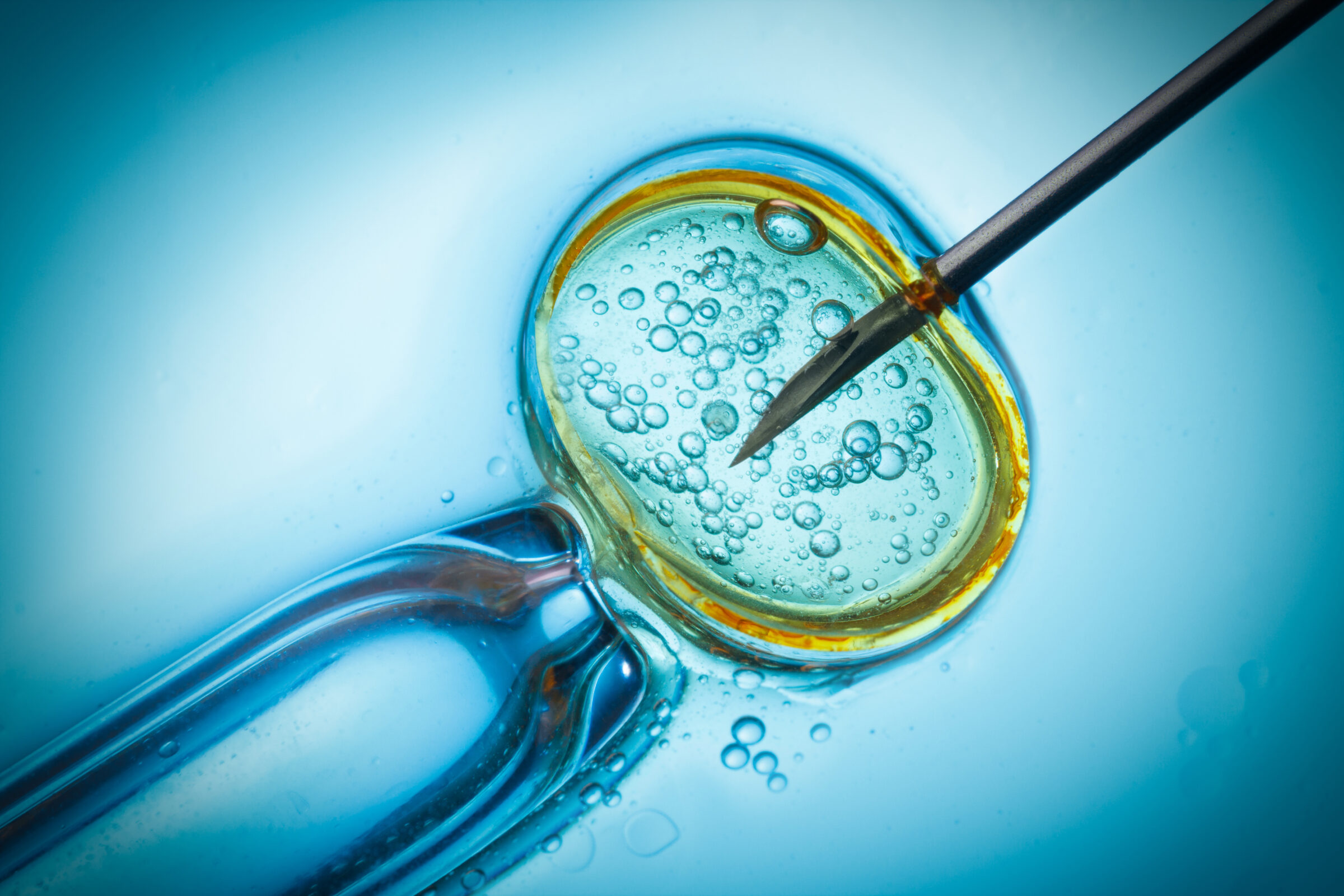
Resources are being invested at an astounding level in radical reproductive technologies. Now, researchers have created human eggs from skin cells and successfully fertilized some of them with IVF. From the Guardian story:
Researchers have created human eggs from skin cells, potentially transforming IVF treatment for couples who have no other options.
The work is at an early stage but if scientists can perfect the process it would provide genetically related eggs for women who are infertile because of older age, illness or medical treatment. The same procedure could be used to make eggs for same-sex male couples.
The effort involved a cloning-like technique:
The Oregon team took a similar approach by collecting skin cells from women and removing the nucleus from each. The nucleus contains the 46 chromosomes that carry the 20,000 or so genes that comprise the human genetic code. Each skin cell nucleus was placed in a healthy donor egg that had its own nucleus removed.
The major challenge the scientists faced was that healthy human eggs contain only 23 chromosomes. A further 23 arrive in the sperm or fertilisation and are needed for the fertilised egg to develop into an embryo and ultimately a baby.
Writing in Nature Communications, the Oregon team described how they overcame the problem of excess chromosomes. After fertilising the eggs with sperm, they activated them using a compound called roscovitine. This caused the eggs to move roughly half of their chromosomes into a structure called a polar body, leaving the remaining chromosomes to pair up with those from the sperm.
A few thoughts. First, this extent of genetic manipulation may not be exactly healthy for the baby. And how would “safety” be tested? Wouldn’t it require the mass manufacture of embryos, and eventually, pregnancies created, studied, and not brought to term? Or would we ultimately just wing it and cross our fingers that all works out well? Either way, do we really want to treat human life so crassly?
Second, think of the effort and expense that using this technique would involve, at minimum:
- Turning the skin cells into eggs
- Testing the eggs for viability
- Fertilizing the eggs with IVF
- Preimplantation genetic diagnosis to make eugenics-driven decisions such as sex selection, propensity for adult diseases, and even hair color to determine which embryos would be implanted and which frozen, discarded as medical waste, or donated for further research
- If the want-to-be-parents were men, hiring a surrogate to gestate the child and all that involves
Will health insurance (and government benefits) have to cover the costs? That certainly is the trend.
Finally, in the wild world of commodified reproduction, the same babies manufactured in the lab with such great effort could be aborted through the ninth month in many jurisdictions. That makes little logical sense unless we understand the prioritizing of personal desires that radical reproductive technologies encourage.
Indeed, at this point, it is hard to see any reproductive desire about which radical technologists and regulators will finally say, “No, that is too much, goes too far, is socially destabilizing, and too expensive.” When it comes to babies, all ethical boundaries are being erased.