How Far Will Experimenting on the Unborn Go?
Originally published at National Review- Categories
- Bioethics
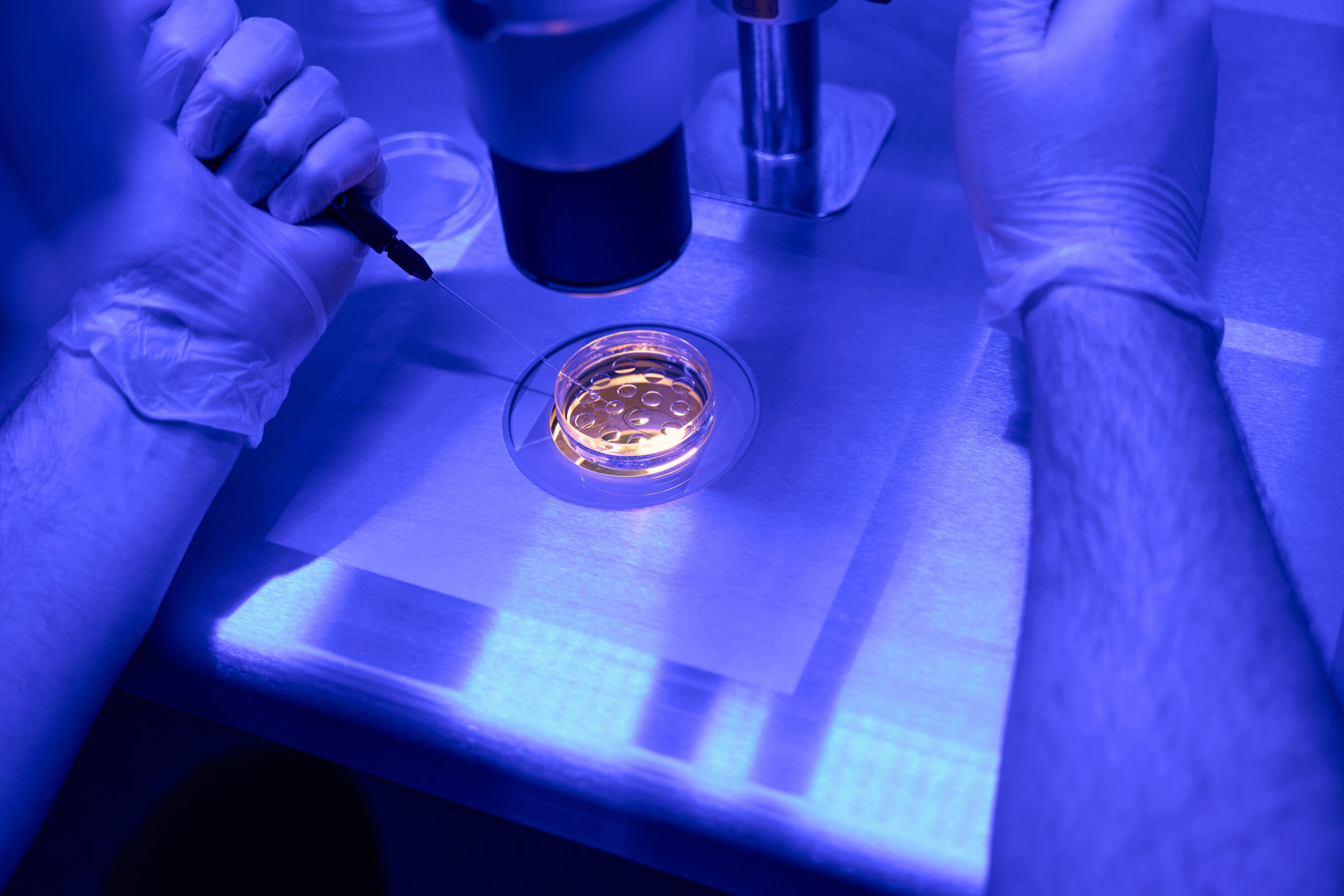
Work continues apace toward the goal of gestating babies outside a woman's body. Scientists have now implanted human embryos in "organoids" made of tissues that mimic the uterine lining. From, "Researchers are Getting Organoids Pregnant," published in the MIT Technology Review:
In three papers published this week by Cell Press, scientists are reporting what they call the most accurate efforts yet to mimic the first moments of pregnancy in the lab. They've taken human embryos from IVF centers and let these merge with "organoids" made of endometrial cells, which form the lining of the uterus.
The reports—two from China and a third involving a collaboration among researchers in the United Kingdom, Spain, and the US—show how scientists are using engineered tissues to better understand early pregnancy and potentially improve IVF outcomes…
In each case, the experiments were stopped when the embryos were two weeks old, if not sooner. That is due to legal and ethical rules that typically restrict scientists from going any further than 14 days.
First, a semantical point. The organoids weren't "pregnant." That seems unduly anthropomorphizing to me. They mimicked natural processes. If gestating machines ever are used to mature human embryos and fetuses outside a woman's body, as mechanisms, they won't be "pregnant" either.
Continue Reading at National Review