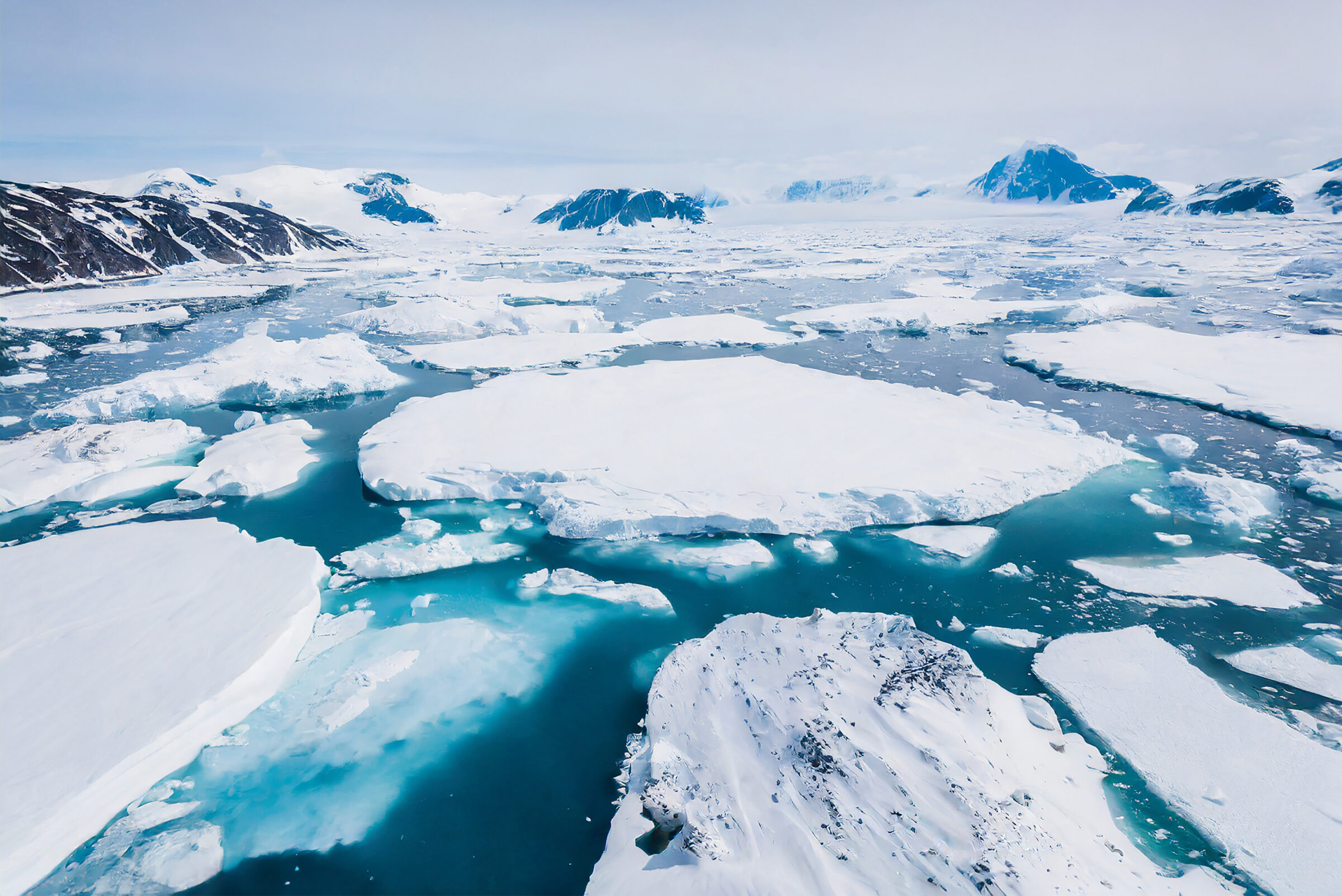
Push On to Grant “Rights” to Arctic Sea Ice
Originally published at National Review- Categories
- Nature and Conservation
We live in irrational times epitomized by the "rights of nature" (RoN) movement that seeks to grant human-type rights to various aspects of the natural world, including geological features.
Alas, the movement is succeeding. Rivers have been granted rights, such as the right to flow (so much for flood control and hydroelectricity projects). Glaciers have been granted rights. A mountain in New Zealand has rights. The waves in a Spanish bay have rights. Copper mining was stopped in Panama because of the supposed right of the earth to keep its own ore. In the U.S., Canada, and the UK, various municipalities have granted rights to nature, lakes, water, and trees. There is a radical bill pending in the English Parliament to grant rights to nature.
The most recent iteration of this nonsense sees arctic ice as having "agency" and therefore entitled to rights. An academic journal article started the sea-ice-rights advocacy ball rolling last year. From “Toward Rights of Sea Ice” (citations omitted):
Continue Reading at National ReviewImportantly, RoN hold the potential for the integration of a new ethical approach for Arctic sea ice, providing a promising perspective that emphasizes relationships, interdependence, and the well-being of all entities. The latter may have both conceptual and normative implications on the current legal treatment of Arctic sea ice, both of which may unfold in different manners. Conceptually, the ethics inherently embedded in RoN fosters a nurturing and reciprocal relationship with nature and the more-than-human and thus the Arctic environment as a whole.