
Humanize From Discovery Institute's Center on Human Exceptionalism
Topic

radical environmentalism

arch-of-a-pedestrian-bridge-over-the-animas-river-in-durango-176659812-stockpack-adobestock
Arch of a pedestrian bridge over the Animas river in Durango. Colorado
Image Credit: karagrubis - Adobe Stock

Using Mild Language to Sell “Rights of Nature” Radicalism

The nature rights movement continues to advance into respectability with woefully insufficient resistance. Too many people don’t take the threat seriously because they consider it too crazy to be real.

But the sheer nuttiness of the campaign isn’t the only reason for the movement’s continuing successes. Nature rights activists seem nice. They are not verbal bomb throwers. Rather, they deploy passive language to sell radical environmental and anti-free-market agendas. That seeming mildness sedates some people into wrongly thinking that nature rights is not an acute threat to human liberty and flourishing.

A just published puff-piece interview published by The Water Diplomat with Dutch human and nature rights lawyer Jan van de Venis illustrates this tactic. Let’s take a look.

Read More ›
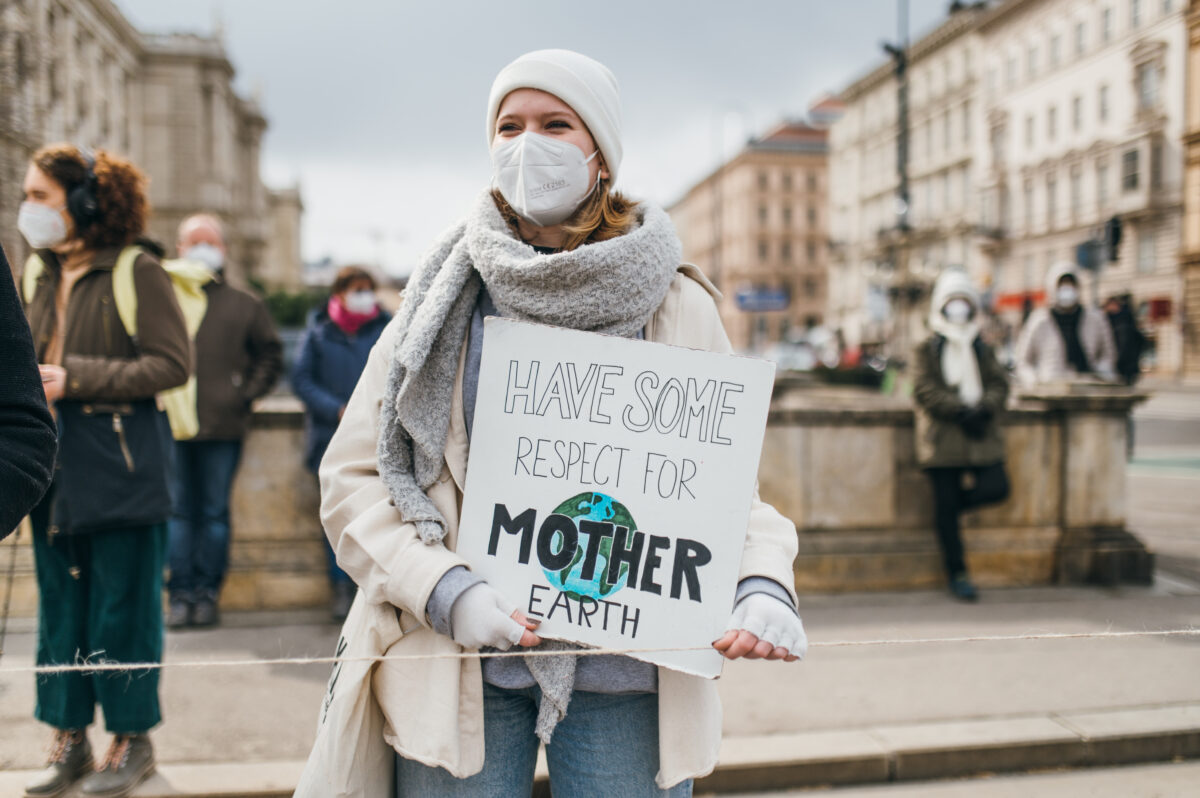
Protester holding a sign with the message "Have some respect for
Image by Ivan Radic at Wikimedia Commons: https://commons.wikimedia.org/wiki/File:Protester_holding_a_sign_with_the_message_%22Have_some_respect_for_mother_Earth%22_at_a_protest_against_climate_change_(51059186637).jpg

International Tribunals Grant Rights to Nature/Restrict Fossil Fuel Development

The “nature rights” movement continues to advance swiftly across the globe. Recently, the Inter-American Court of Human Rights ruled in an advisory opinion that to protect humans from climate change and other environmental disasters, nature should be granted “rights.” From the opinion (citations omitted): The Court takes note that the United Nations General Assembly has adopt fifteen resolutions and twelve reports that reflect the increasing recognition of the case law on the Earth and the rights of Nature at the global level. Additionally, the Pact for the Future, adopted by Member States of the United Nations in 2024, declares “the urgent need for a fundamental shift in our approach in order to achieve a world in which humanity lives in Read More ›