Humanize From Discovery Institute's Center on Human Exceptionalism
Topic

animal experimentation

testing-drugs-and-vaccine-on-mice-stockpack-adobe-stock-244698311-stockpack-adobestock
testing drugs and vaccine on mice
Image Credit: filin174 - Adobe Stock

Animal Research Points to Potential Pancreatic Cancer Cure

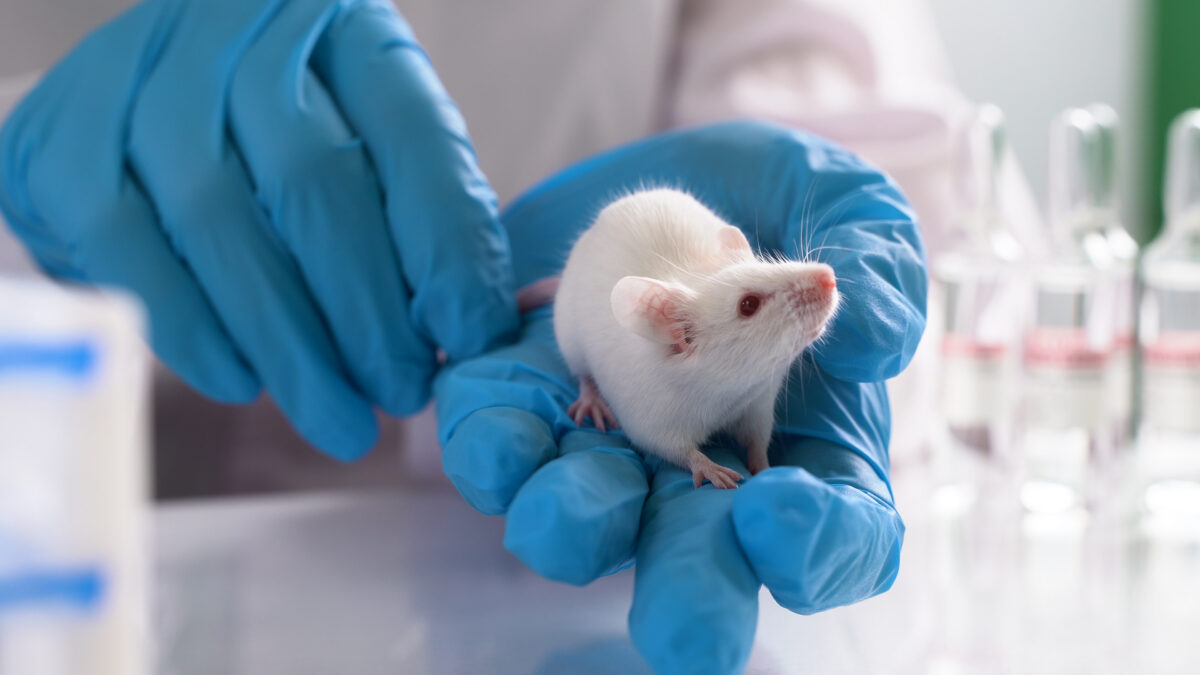
Whenever I write in support of animal research, some accuse me of cruelty and indifference to the suffering of animals. Nothing could be further from the truth. I am eager for the number animals used in experiments to be reduced as much as possible — but only to an extent consistent with assuring scientific progress — because I care more about reducing human suffering. If we want a science sector that can produce medicines and techniques to treat disease and ameliorate pain (which also often benefits animals), like it or not, that requires the “grim good” of animal research. Another example of this sector’s importance just hit the news. A Spanish scientist has discovered a way to significantly reduce pancreatic Read More ›

medical-research-scientist-examines-laboratory-mice-and-look-166977106-stockpack-adobestock
Medical Research Scientist Examines Laboratory Mice and Looks on Tissue Samples under Microscope. She Works in a Light Laboratory.
Image Credit: Gorodenkoff - Adobe Stock

For MAHA’s Sake Don’t Eliminate Animal Research

Secretary of Health and Human Services Robert F. Kennedy Jr. made big news recently when he declared that he wanted to eliminate federal funding for research on primates and eventually end all government support for animal experimentation. RFK Jr. says he’ll work with federal agencies to wind down animal testing. One can certainly understand his reasons. Animal suffering makes anyone with a conscience flinch in empathetic revulsion.

But scientists do not engage these methodologies out of sadistic purpose. Rather, their goals are to find new medical treatments, cure diseases, and generally reduce human (and animal) suffering. Indeed, without animal research, the many medical and veterinary advances achieved since World War II would have been impossible. That is why we must think about this important moral issue and not just “feel.”

Most animal work involves basic research—investigations about how bodily systems function. Here’s the story of just one such use that resulted in tremendous reduction in human suffering.

Years ago, Dr. Edward Taub hypothesized that brain function could exhibit greater plasticity than then believed. To determine whether he was right, the nerves in monkeys’ forelimbs were severed surgically. Taub’s purpose was to train the animals to reuse their numb forelimbs; research he hoped would prove valuable in ultimately rehabilitating human stroke patients.

Read More ›
two-macaques-in-close-proximity-to-each-other-against-a-back-881724141-stockpack-adobe_stock
two macaques in close proximity to each other against a background of green vegetation, AI, wild nature monkeys
Image Credit: makentosha - Adobe Stock

PETA Sues NIH for Violating Its “First Amendment Right” to Talk to Monkeys

Animal rights activists keep attempting to grant “rights” to animals through novel — and I would say, frivolous — lawsuits. PETA sued SeaWorld, claiming that the orcas were “slaves.” The Nonhuman Rights Project has sued three times to have chimpanzees and elephants declared “persons” entitled to writs of habeas corpus. Those suits failed. But animal rights activists never give up. Now, PETA is suing the NIH and the National Institute of Mental Health, claiming that the agency’s refusal to allow them to receive closed-circuit monitoring of research monkeys and communicate directly with them violates the animal rights fanatics’ First and Fifth Amendment rights. The irrationality begins in the complaint’s first and second paragraphs when the complaint alleges PETA has a Read More ›