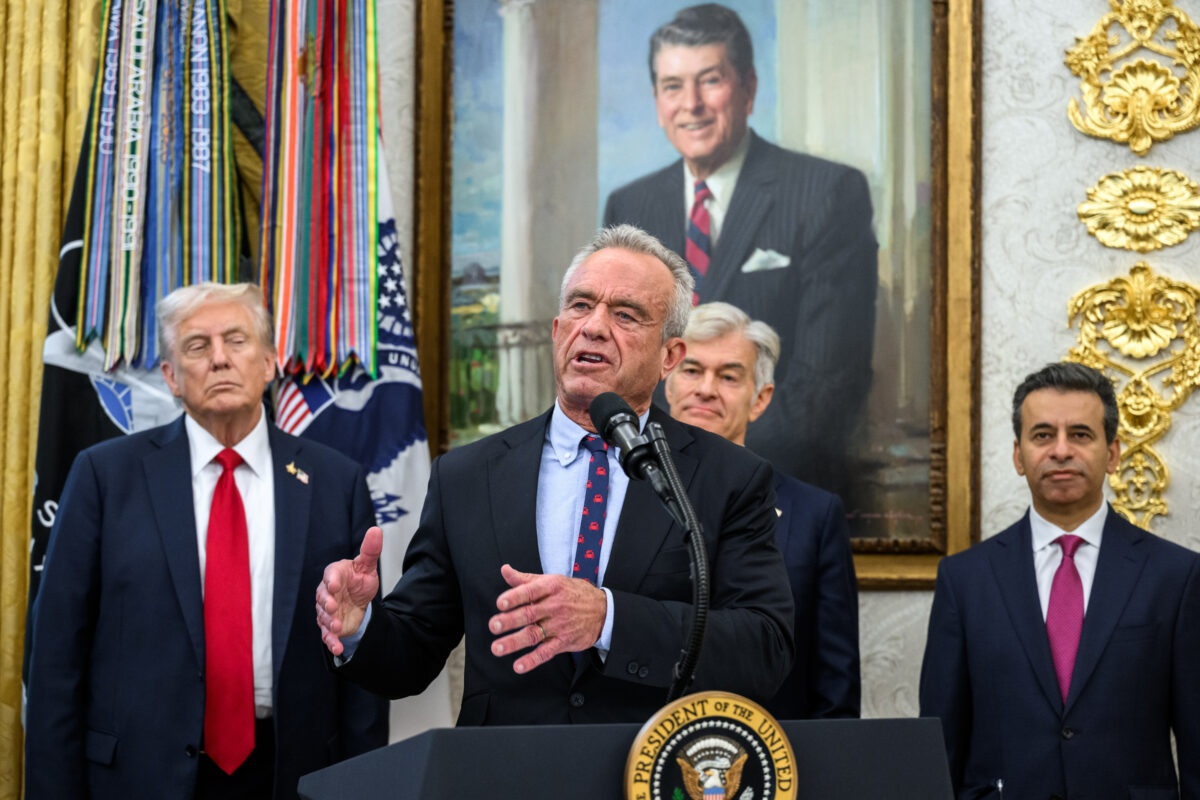
RFK Jr. Decertifies Kentucky Organ Procurement Organization
Say what you will about Health and Human Services Secretary Robert F. Kennedy Jr., but he definitely cares about ensuring that organ transplant medicine remains ethical, and unlike many government functionaries, he and his department are actually doing something about it. Thus, on the back of Medicare decertifying a Florida organ procurement organization for cause in 2025, the government is now decertifying the Network for Hope that operates in Kentucky and a few other states.
The government warned the network last year that its procurement procedures were ethically deficient. But the organ procurement organization never cleaned up its act despite knowing it was being scrutinized, including, apparently, for seeking to procure organs from people who had not died.
The unethical cases involve a procedure sometimes known as heart death (as opposed to brain death). In a heart-death donation, the donor is usually receiving intensive care. That medical support is withdrawn with consent and if cardiac arrest occurs — sometimes it doesn’t and the patient is then to be returned to care — after three or so minutes the patient is declared-dead because cardiopulmonary function has irreversibly stopped. After that, the procurement commences.
Read More ›