Humanize From Discovery Institute's Center on Human Exceptionalism
Topic

hospice

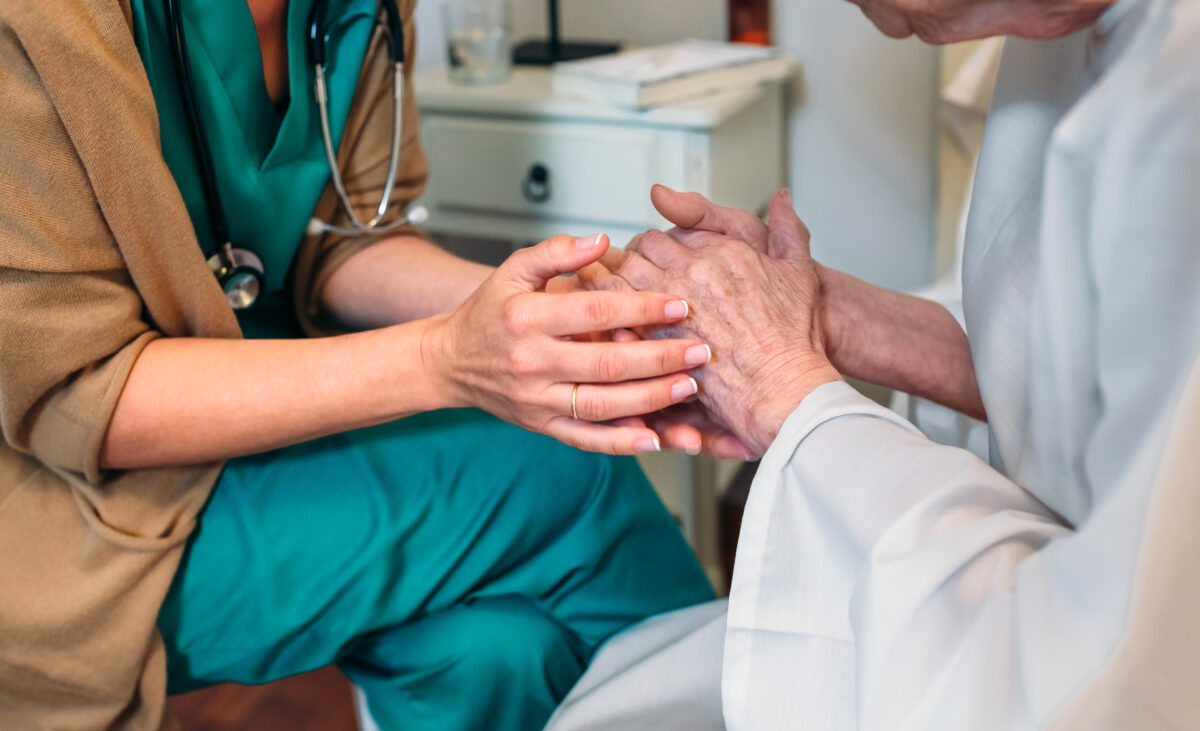
female-doctor-giving-encouragement-to-elderly-patient-by-hol-185990670-stockpack-adobestock
Female doctor giving encouragement to elderly patient by holding her hands
Image Credit: David Pereiras - Adobe Stock

We Need to Save the Hospice Movement

The modern hospice movement is one of the great humanitarian advances of the last hundred years. The story began shortly after World War II, when a young, devout Anglican medical social worker named Cicely Saunders befriended a Jewish émigré named David Tasma. Tasma had escaped the Warsaw Ghetto only to be dying at age 40 in a London hospital. He was alone in the world, and Saunders made a special point to visit with him every day. Their friendship changed how we medically treat—and perhaps even more importantly, perceive—people who are dying. I was honored to interview Dame Cicely (as she is affectionately known in the United Kingdom) in 1998 while researching my book Culture of Death. In reflecting on her Read More ›

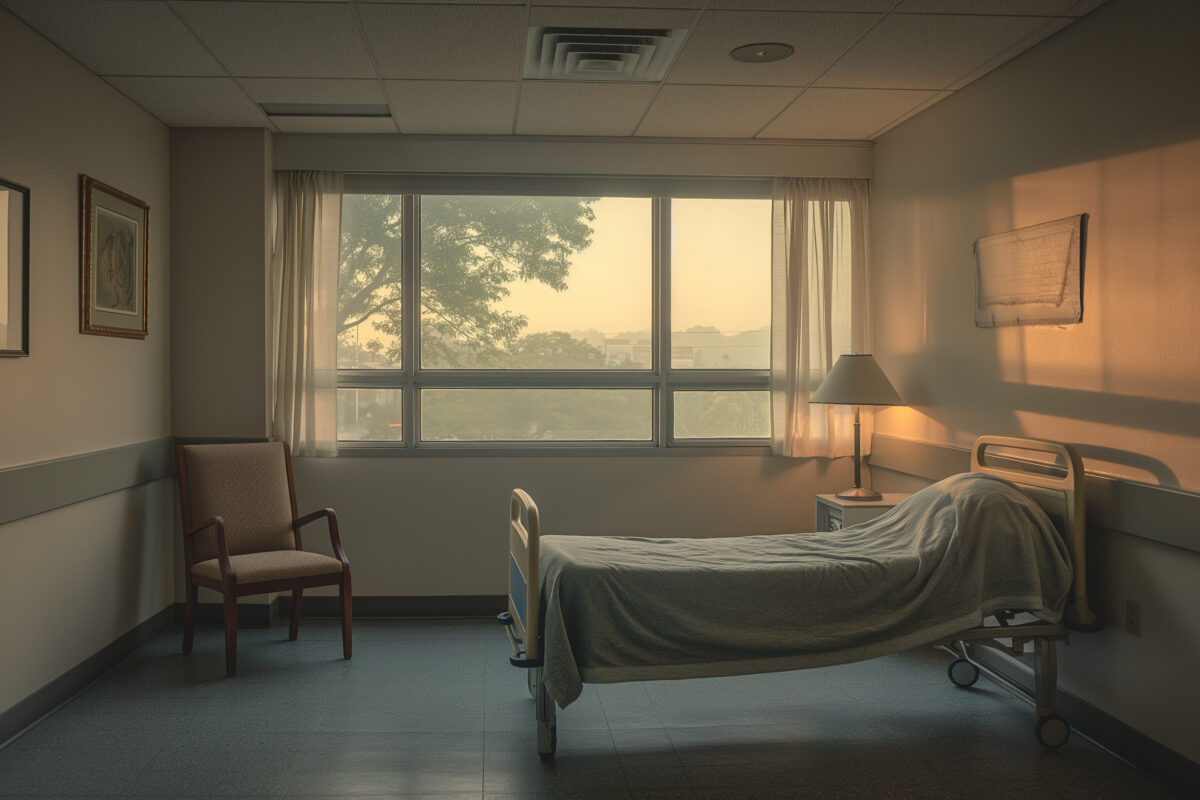
empty-hospital-room-at-sunset-symbolizing-loneliness-recover-836649209-stockpack-adobestock
Empty hospital room at sunset symbolizing loneliness, recovery, and hope. Perfect for themes of healthcare, solitude, healing, and contemplation capturing the essence of quiet and reflective moments.
Image Credit: Ram - Adobe Stock

U.K. Hospices Collapsing as Government Pushes Assisted-Suicide Legalization

The future that some of us predicted about assisted suicide deployed as a resource saver has come to the U.K. Even as the House of Commons has passed a legalization bill — currently being debated in the House of Lords — the country’s hospice system is collapsing. From the BBC story:

Some 380 hospice beds out of around 2,000 lie empty in England because of financial pressures, say bosses.

Hospice UK has told BBC News this is up from 300 a year ago and illustrates the severe challenges facing the sector.

Beds are left empty to save money — since staffing and caring is costly — and so are unavailable to patients.

Do you know what isn’t costly? Assisted suicide. Poison is cheap.

Read More ›
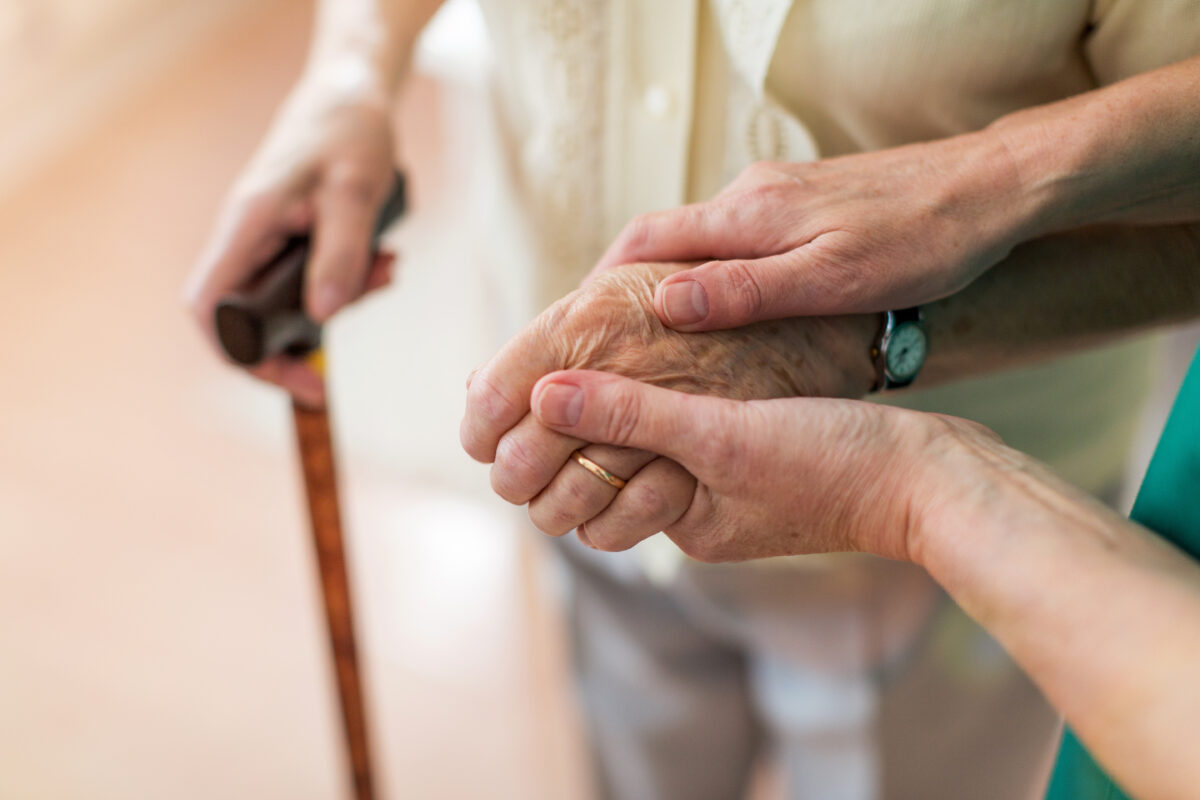
nurse-consoling-her-elderly-patient-by-holding-her-hands-sto-264619531-stockpack-adobestock
Nurse consoling her elderly patient by holding her hands
Image Credit: pikselstock - Adobe Stock

Will We Care For or Kill Dementia Patients?

I understand that people are terrified of dementia. Believe me, I get it. My mother died of Alzheimer’s. But I can’t wrap my head around the fact that advocacy for killing/suicide as the answer to the difficulties caused by the condition is becoming ubiquitous. Noted bioethicist and lawyer Thaddeus Mason Pope has written an essay, to be published in an edited volume, on this very issue. It lists eleven ways people can “avoid late-stage dementia,” and almost all involve intentionally ending life. Remember when we were told that advance medical directives are the key to not receiving life-extending treatment one does not want? They are, but that’s not good enough for Pope, because it doesn’t guarantee death: This strategy is Read More ›

female-home-nurse-hugging-elderly-woman-on-bed-back-view-of-394581774-stockpack-adobestock
Female Home Nurse Hugging Elderly Woman on Bed. Back View of Female Nurse With Her Arm Around Elderly Patient Shoulder.
Image Credit: Newman Studio - Adobe Stock

How to Save the Hospice Movement

As established by the great medical humanitarian, the late Dame Cecily Saunders, hospice was designed to treat “total pain” of patients — whether physical, emotional, or spiritual — to the end of ensuring that the care offered is about living, not just death. When it works as intended, as it did for both my parents, the beneficence offered to patients and their families cannot be quantified.

Alas, the hospice movement is in serious trouble. I can’t tell you how often now people approach me after a speech or call in on talk radio to tell me that they do not trust hospice to properly care for their loved ones.

Why has this happened? My friend Ira Byock, the great palliative doctor and author of Dying Well, has noted that the for-profit sector of the industry too often does not live up to the hospice promise of profoundly personal and compassionate care. Also, there is a problem with fraud and abuse, about which, Byock insists, there must be institutional “zero tolerance.” In addition, the integration of palliative care within the American health system has stalled, despite demonstrating that quality care for seriously ill and dying people is both feasible and affordable.

And from my perspective — not Byock’s — the assisted suicide movement has been a body blow to the hospice movement. Partly this is because the media is so besotted with “aid in dying” propaganda that there is little room left to tell good hospice stories. But I also blame institutional hospice organizations, which pretend that assisted suicide isn’t a mortal threat to the hospice philosophy. As a consequence of this institutional cowardice, all one hears from hospice organizations about legalizing assisted suicide is the proverbial sound of silence, further diminishing the importance of the sector.

Read More ›
doctor-writing-a-prescription-on-rx-form-in-the-consulting-r-52146124-stockpack-adobe_stock
Doctor writing a prescription on Rx form in the consulting room
Image Credit: omphoto - Adobe Stock

Oregon Bill Would Also Allow Nondoctors to Prescribe Assisted Suicide

Yesterday, I posted about a Vermont bill that would allow nondoctors to prescribe death. I found out today that Oregon has similar legislation pending that would allow “providers” to lethally prescribe. SB 1003 specifies that “provider” can mean a licensed physician, a licensed physician assistant, or a licensed nurse practitioner. I wouldn’t trust a PA or NP to diagnose me with six months to live. Would you? That is not a putdown. These valuable medical professionals’ primary roles are to provide generalized care, monitor and manage chronic conditions, and provide wellness services. But they are not physicians. They receive less education and specialized training as compared with physician-certified specialists like cardiologists, oncologists, nephrologists, or neurologists. I suspect that the reason for expanding categories of eligible lethal Read More ›

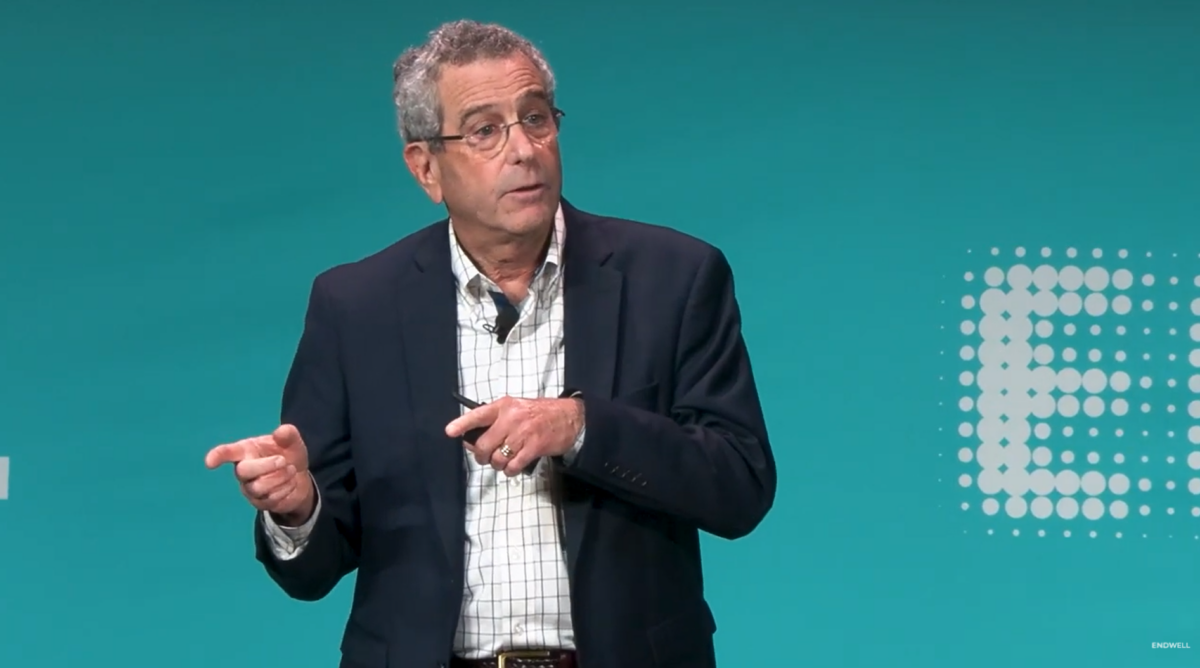
Screenshot 2025-01-16 140857
Screenshot of End Well's video on YouTube: https://www.youtube.com/watch?v=rtGggNFH4Pc

Ira Byock, M.D., on the Crisis in Hospice Care

The creation of the modern hospice movement was a major advance in the care for people with terminal illnesses. Alas, in recent years, hospice has entered something of a crisis, with too many facilities offering inadequate care and some patients receiving short shrift of services to which they are entitled. To get to the bottom of the problem, Wesley invited Read More ›

hospice-nurse-helps-old-lady-with-mobile-phone-call-stockpack-adobe-stock
Hospice Nurse Helps Old Lady With Mobile Phone Call
Image Credit: Diego Cervo - Adobe Stock

Hospice and Palliative Nurses Association Plans to Surrender to Assisted-Suicide Agenda

When Dame Cecily Saunders created the modern hospice movement, she adamantly rejected assisted suicide as an acceptable hospice activity. Saunders would be spinning in her grave if she read the proposed policy around assisted suicide that has been published by the Hospice and Palliative Nurses Association (HPNA). Read More ›