
Humanize From Discovery Institute's Center on Human Exceptionalism
Topic

minimal comfort feeding

back-view-of-lonely-young-asian-woman-sitting-on-bed-in-hosp-336558111-stockpack-adobestock
back view of lonely young asian woman sitting on bed in hospital ward. depressed female patient stay in room with body check result paper beside. sad lady in pajamas looking out window indoor
Image Credit: PR Image Factory - Adobe Stock

British Medical Association Requires Doctors to Help Patients Commit Suicide by Self-Starvation

The subtitle of the revised and updated version of my book criticizing utilitarian bioethics, Culture of Death, is, “The Age of ‘Do Harm’ Medicine.” Helping patients kill themselves by self-starvation and dehydration — known in euthanasia parlance as VSED (for voluntary stopping eating and drinking) — certainly fits that designation.

Two major medical associations now have endorsed doctors assisting in such suicides by palliating the painful symptoms to help patients go all the way to death. The first was the American Academy of Hospice and Palliative Medicine (AAHPM) in 2023. This is especially notable because the organization shamefully went “neutral” on the legalization of assisted suicide, despite that action being the antithesis of the hospice philosophy enunciated by the great medical humanitarian Dame Cecily Saunders. The AAHPM’s journal also published a piece recently endorsing intentionally undernourishing dementia patients under certain conditions (MCF, or “minimal comfort feeding”) — VSED in slow motion, if you will.

Now, another “do harm” shoe has dropped. The British Medical Association has issued an ethical guidance that requires practitioners to participate in VSED when asked to do so by a patient. While the AAHPM guidance assumes that the act will only be done by terminally ill or seriously ill or disabled patients, the BMA guidance notably acknowledges that even those not in ill health can kill themselves in this slow manner — and that doctors must further the suicide palliatively. From the guidance (my emphasis):

Read More ›
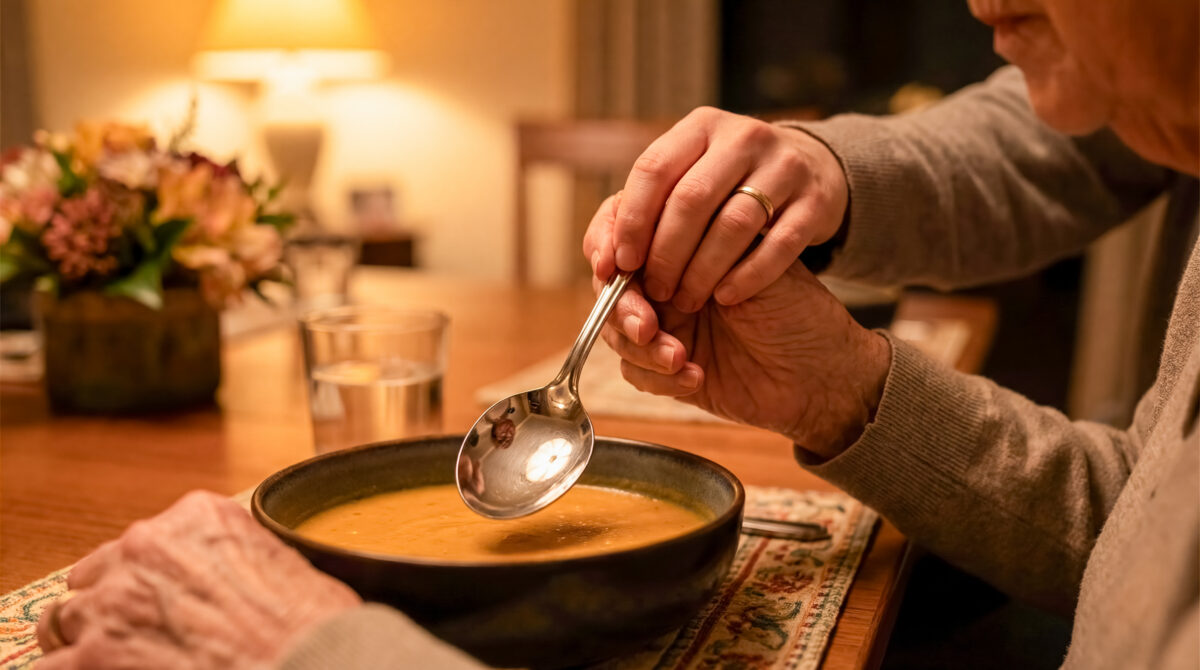
close-up-of-caregiver-hands-feeding-warm-soup-to-senior-pers-1958634257-stockpack-adobestock
Close up of caregiver hands feeding warm soup to senior person with spoon concept of domestic hospice assistance nutritional support for elderly and compassionate care
Image Credit: Aurora Aesthetics - Adobe Stock

Dementia Patients and Death by Intentional Undernourishment

Last year, I wrote here warning about a bioethics paper that advocated restricting the amount of orally received food and water given to dementia patients, an intentional undernourishment approach that the authors labeled “minimal comfort feeding.” Well, the idea of death by intentional undernourishment has now hit the big time in the popular media with a long New York Times piece telling the story of a dementia patient who died under that regimen. I expect it to spark a national conversation. (I make a brief appearance in the piece. The reporter, Kate Raphael, could not have been more cordial and presented my views accurately. Also, she offers plenty of objections from medical professionals, so this response should not be deemed Read More ›

close-up-of-hands-stockpack-adobe-stock-392089525-stockpack-adobe_stock
Close-up of hands
Image Credit: Photographee.eu - Adobe Stock

Will We Starve Dementia Patients in Slow Motion?

Moves are afoot in bioethics to require caregivers to withhold food and water by mouth from a patient made incompetent by dementia if that patient, while compos mentis, has signed such a request — and even if the patient willingly eats, enjoys meals, or asks for food. It is sometimes called “voluntary stop eating and drinking [VSED] by advance directive,” in the parlance.

I have frequently criticized VSED by directive as inhumane to the patient, cruel to caregivers (as it forces them to starve people to death), and designed to open the door to lethally jabbing those with advanced dementia as the less onerous alternative to their being made to starve to death.

Now, as supposedly some form of compromise, there is a proposal on the table to barely feed — i.e., malnourish — dementia patients who have previously signed such a directive. From, “Mr. Smith Has No Mealtimes,” published in the Journal of Pain and Symptom Management (citations omitted):

Minimal Comfort Feeding (MCF)…is the provision of only enough oral nutrition and hydration to ensure comfort. With MCF, eating and drinking is not scheduled; rather, caretakers offer food and liquids only in response to signs of hunger and thirst. Patients are neither wakened for regular mealtimes nor encouraged to eat or drink. Instead, they are offered frequent, fastidious mouth care, continued social contact, therapeutic touch, sensory distraction, and medications to relieve distress associated with apparent thirst or hunger before being provided with minimal amounts of liquid or food.

Read More ›